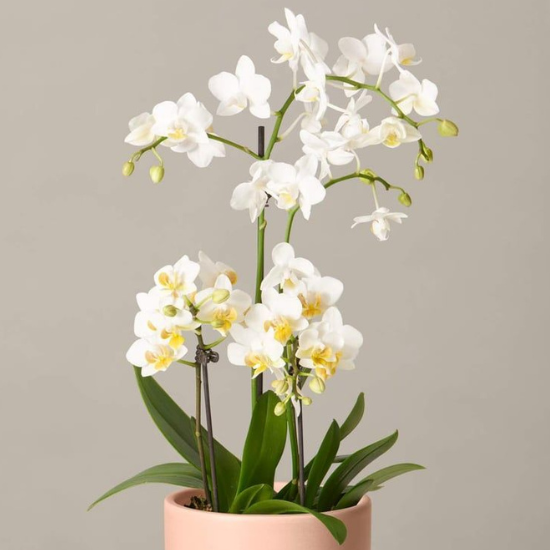
Many people think orchids are hard to grow. In reality, they only need a few basics: bright light, good airflow and careful watering. Kerala’s warm and humid weather suits many orchid types well. This orchid care guide explains each step in simple words.
What Makes Orchids Different From Other Plants?
Most orchids sold for homes are epiphytes. This means that in nature they grow on tree trunks and branches, not in soil. Their roots take in water and air from their surroundings.
This is why orchids should never be planted in regular garden soil. The roots need open space to breathe. Once you understand this, most orchid care steps start to make sense. If you want more colorful options, browse our list of the best flowering plants for Kerala.
Popular Orchid Varieties for Kerala
Some orchids handle warm and humid weather better than others. The table below compares common choices.
| Orchid Type | Light Needs | Best For |
| Dendrobium | Bright light, some direct morning sun | Beginners, balcony and garden growing |
| Phalaenopsis (moth orchid) | Bright, indirect light | Indoor spots near a window |
| Vanda | Bright light, good airflow | Hanging baskets in open areas |
| Oncidium (dancing lady) | Bright, filtered light | Cooler, well-ventilated spots |
Dendrobium and Phalaenopsis are the easiest to start with. Vanda needs more light and open space, so it suits a verandah or garden better than a room.
Best Light for Orchids
Most orchids like bright light but not harsh afternoon sun. An east-facing window or a shaded verandah usually works well. Morning sun is gentle and safe for most types.
Watch the leaves for clues. Dark green, soft leaves often mean too little light. Yellow or bleached patches mean too much sun. Healthy leaves are usually a medium, fresh green.
How to Water Orchids
Overwatering kills more orchids than any other mistake. Water only when the potting mix feels nearly dry. For orchids in bark, this is often about once a week, but it changes with the weather.
Follow these steps:
- Check the mix and the roots. Silvery roots need water. Green roots are well hydrated.
- Water slowly until it runs out of the drainage holes.
- Let all the extra water drain away.
- Never leave the pot standing in water.
Heavy rain changes how often you need to water. Our Kerala monsoon gardening tips and summer gardening tips for Kerala can help you adjust through the year.
Best Potting Mix and Pot for Orchids
Orchids need a coarse, airy mix that drains fast. Common choices include:
- Orchid bark chunks
- Coconut husk pieces
- Charcoal pieces
- Clay pebbles for extra airflow
Use a pot or basket with many holes so air reaches the roots. Clear plastic pots let you see root color easily. Learn more in our guide on how to choose the right pot for your plant and our tips on container gardening in Kerala.
Temperature and Humidity
Most orchids grow well in warm weather, roughly between 18°C and 30°C. This range matches most of Kerala through the year. Keep them away from cold air conditioner drafts and hot, dry wind.
Orchids like moderate to high humidity. If the air is dry, group a few plants together or place the pot on a tray with wet pebbles. Keep the pot base above the water so the roots do not sit in it. Good airflow also helps prevent fungal problems.
Fertilizer for Healthy Growth and Blooms
Feed orchids regularly during the growing season. Use a balanced orchid fertilizer at quarter to half the strength on the label, about every 2 weeks. Water the plant with plain water once a month to flush out extra salts.
Do not feed a dry plant, since this can burn the roots. If you prefer natural options, see our organic gardening for beginners guide.
How to Help Your Orchid Bloom Again
Orchids bloom once a season or more, then rest. After flowering, keep watering and feeding as usual. For Phalaenopsis, you can cut the old spike just above a node (a small bump on the stem) to encourage a new branch.
If your orchid will not bloom, light is usually the reason. Move it to a brighter spot, but avoid sudden changes. Some orchids also bloom after a slight drop in night temperature.
Common Orchid Problems and Fixes
| Problem | Likely Cause | Fix |
| Yellow leaves | Overwatering or poor drainage | Let the mix dry, check roots |
| Soft, brown roots | Root rot | Cut rotten roots, repot in fresh mix |
| Wrinkled leaves | Underwatering or damaged roots | Check roots, adjust watering |
| No flowers | Too little light | Move to brighter indirect light |
| Cottony white patches | Mealybugs | Wipe with soapy water, repeat weekly |
For more troubleshooting, read our post on common gardening problems in Kerala.
Final Thoughts
Orchid care is simple once you know the basics. Give your orchid bright indirect light, a coarse airy mix and water only when it is nearly dry. Add light feeding and good airflow, and be patient while it blooms.
Begin with one easy type, such as Dendrobium or Phalaenopsis, and learn how it responds. For more ideas, explore our Kerala garden plants list and our best indoor plants for Kerala homes.