Introduction
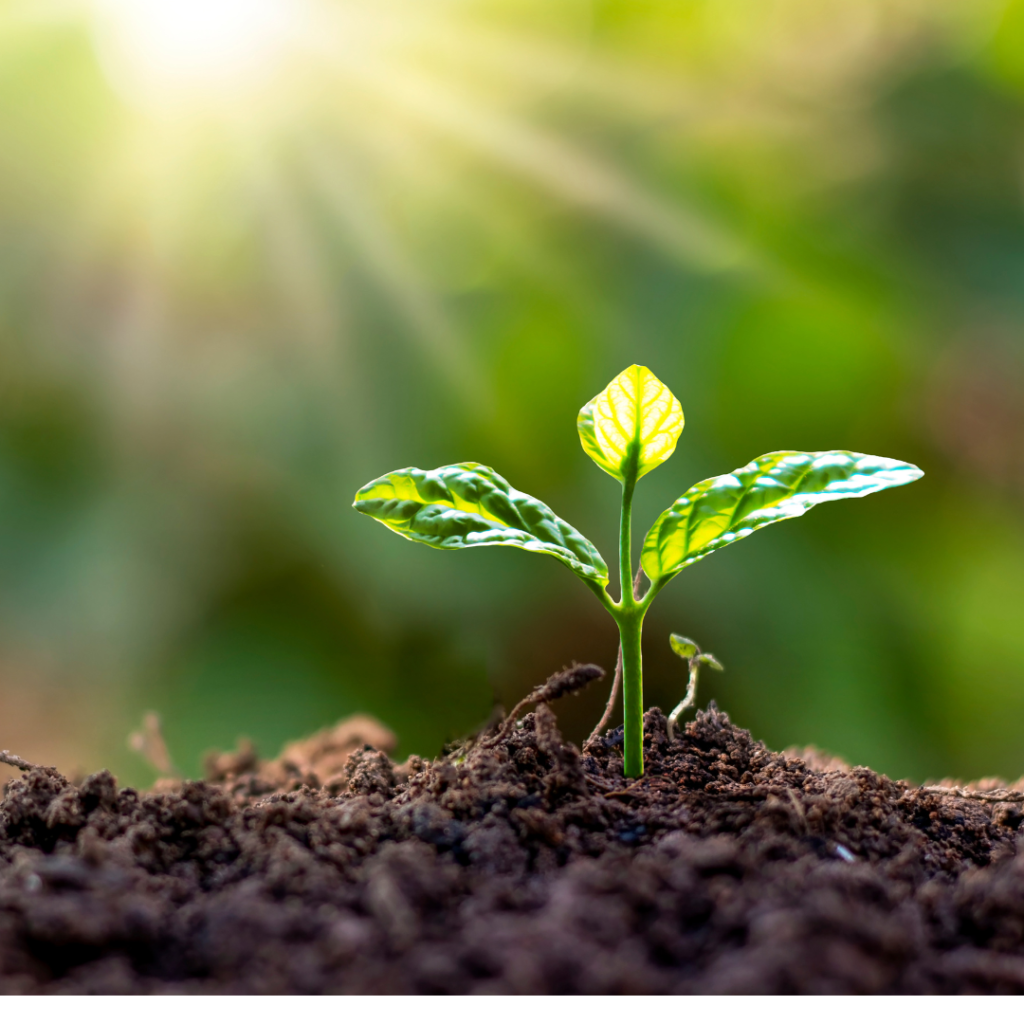
Organic gardening is a natural way of growing plants without relying on synthetic fertilizers, pesticides, or harmful chemicals. Instead, it focuses on improving soil health, using organic fertilizers, conserving natural resources, and encouraging biodiversity to create a thriving garden.
As more people become health-conscious and environmentally aware, organic gardening has become a popular choice for homeowners, apartment gardeners, and beginners alike. Whether you want to grow fresh vegetables, aromatic herbs, or beautiful flowering plants, starting an organic garden is an excellent way to enjoy healthier produce while reducing your environmental impact.
The best part is that you don’t need a large backyard to get started. A few pots on a balcony, a small raised bed, or a dedicated corner in your yard can become a productive organic garden with the right care.
In this beginner’s guide, you’ll learn the basics of organic gardening, how to set up your garden, essential maintenance tips, the tools and supplies you’ll need, and practical advice to help you grow healthy plants naturally.
What is Organic Gardening?
Organic gardening is the practice of growing plants using natural methods that nourish the soil and support healthy plant growth without synthetic fertilizers, pesticides, or herbicides. Instead of relying on chemicals, organic gardeners use compost, organic fertilizers, natural pest control, and sustainable gardening techniques to create a balanced ecosystem.
Unlike conventional gardening, which often depends on chemical inputs for faster growth and pest management, organic gardening focuses on building long-term soil health. Healthy soil is rich in beneficial microorganisms and organic matter, helping plants grow stronger and become naturally more resistant to pests and diseases.
Whether you’re growing vegetables, herbs, fruits, or flowering plants, organic gardening encourages you to work with nature rather than against it. Practices such as composting, mulching, crop rotation, and companion planting help improve soil fertility, conserve water, and promote biodiversity.
Why Choose Organic Gardening?
There are many reasons why beginners are choosing organic gardening:
- Healthier produce: Grow fresh, chemical-free fruits, vegetables, and herbs at home.
- Healthier soil: Organic matter improves soil structure and supports beneficial microbes.
- Eco-friendly gardening: Reduces chemical pollution and protects pollinators like bees and butterflies.
- Cost-effective: Composting kitchen waste and making natural fertilizers can lower gardening expenses over time.
- Sustainable living: Encourages responsible use of natural resources while creating a greener, healthier environment.
By adopting organic gardening practices, you’re not just growing plants—you’re creating a sustainable garden that benefits your family, local wildlife, and the environment.
Principles of Organic Gardening
Successful organic gardening is built on a few simple principles that help plants thrive naturally while protecting the environment.
Healthy Soil
Healthy soil is the foundation of every organic garden. Enrich your soil with compost, vermicompost, and other organic matter to improve its structure and fertility. Beneficial microorganisms and earthworms naturally break down organic materials, making nutrients more available to plants. Adding mulch also helps retain moisture, suppress weeds, and keep the soil healthy.
Biodiversity
Growing a variety of plants creates a balanced garden ecosystem. Mix vegetables, herbs, flowers, and native plants to attract pollinators like bees and butterflies while encouraging beneficial insects that help control pests. You can also practice companion planting, where certain plants are grown together to improve growth and naturally reduce pest problems.
Sustainability
Organic gardening promotes environmentally friendly practices that reduce waste and conserve natural resources. Recycle kitchen and garden waste by composting, use water wisely through deep watering or rainwater harvesting, and avoid synthetic chemicals that can harm the soil and surrounding ecosystem. These sustainable habits help create a healthier garden that continues to improve year after year.
By following these core principles, you’ll build a productive, resilient garden that supports healthy plants, beneficial wildlife, and a more sustainable way of living.
Getting Started with Organic Gardening
Starting an organic garden doesn’t have to be complicated. With the right location, suitable plants, and a simple plan, you can create a productive garden in any space.
Choose the Right Location
Most vegetables, herbs, and flowering plants need 6–8 hours of direct sunlight each day. Choose a spot with good drainage and protection from strong winds. If you have limited space, balconies, terraces, and patios can also be transformed into thriving organic gardens using pots, planters, or grow bags.
Select Quality Seeds and Plants
Begin with certified organic seeds or healthy seedlings from a trusted nursery. Choose seasonal and disease-resistant varieties that are well-suited to your local climate. Beginners can start with easy-to-grow plants such as tomatoes, spinach, coriander, mint, chilli, and okra for quicker success.
Plan Your Garden
Before planting, sketch a simple garden layout to ensure each plant has enough space to grow. Group plants with similar sunlight and watering needs, and consider companion planting to naturally deter pests and improve growth. Rotating crops each season also helps maintain soil fertility and reduces the risk of plant diseases.
A little planning at the beginning can save time and effort later, giving your organic garden the best chance to flourish.
Organic Garden Care & Maintenance
Regular care is essential to keep your organic garden healthy and productive. By following a few natural gardening practices, you can encourage strong plant growth while minimizing pests and diseases.
Watering Techniques
Water your plants early in the morning to reduce evaporation and give them enough moisture throughout the day. Water deeply rather than frequently to encourage strong root development. Using drip irrigation, clay pot (olla) irrigation, or watering cans can help conserve water while preventing overwatering.
Natural Pest Control
Protect your plants without harmful chemicals by using natural pest control methods. Neem oil spray is an effective solution for many common garden pests. Companion planting, introducing beneficial insects like ladybugs, and using physical barriers such as garden nets can also help keep pests under control naturally.
Improve Soil Naturally
Healthy soil produces healthy plants. Add compost or vermicompost regularly to replenish nutrients and improve soil structure. Applying mulch around plants helps retain moisture, suppress weeds, and regulate soil temperature. Over time, these simple practices build fertile soil that supports vigorous plant growth.
Consistent care and natural maintenance methods will help your organic garden stay productive while creating a healthier environment for plants, pollinators, and beneficial soil organisms.
Essential Organic Gardening Supplies
Having the right gardening supplies makes organic gardening easier and more enjoyable. You don’t need expensive equipment just a few essentials to help your plants grow healthy and strong.
Containers
If you’re short on space, containers are a great way to start an organic garden. HDPE grow bags, fabric pots, clay pots, and raised beds provide excellent drainage and are ideal for growing vegetables, herbs, and flowering plants. Choose a container that suits the size and root system of your plants.
Organic Fertilizers
Feed your plants with natural nutrients to promote healthy growth. Popular organic fertilizers include compost, vermicompost, neem cake powder, bone meal, and fish emulsion. These enrich the soil, improve its structure, and release nutrients gradually, supporting stronger roots and healthier plants.
Essential Gardening Tools
A few basic tools can make everyday gardening tasks much easier. Consider keeping these essentials on hand:
- Hand trowel
- Garden fork
- Shovel
- Hoe
- Pruning shears (pruners)
- Hand weeder
- Watering can
- Seed trays
Investing in quality gardening supplies will save time and help you maintain a thriving organic garden with ease.
Benefits of Organic Gardening
Organic gardening offers more than just fresh produce; it supports a healthier lifestyle and contributes to a more sustainable environment.
Health Benefits
Growing your own fruits, vegetables, and herbs means you can enjoy fresh, chemical-free produce right from your garden. Organic gardening also encourages healthier eating habits and gives you confidence in the quality of the food you consume.
Environmental Benefits
By avoiding synthetic chemicals, organic gardening helps protect the soil, conserve water, and support beneficial insects such as bees and butterflies. These practices promote biodiversity and create a healthier ecosystem for plants and wildlife.
Economic Benefits
Although there may be some initial setup costs, organic gardening can help reduce grocery expenses over time. Composting kitchen waste, producing your own organic fertilizer, and growing seasonal vegetables are cost-effective ways to maintain a productive garden.
Mental Well-being
Gardening is a relaxing activity that helps reduce stress, improve mood, and encourage regular physical activity. It also provides an opportunity to spend quality time outdoors with family while connecting with nature.
A Step Towards Sustainable Living
Organic gardening promotes responsible use of natural resources through composting, water conservation, and waste reduction. Every small organic garden contributes to a greener, healthier future for both people and the planet.
Common Mistakes Beginners Make
Starting an organic garden is a rewarding experience, but beginners often make a few common mistakes that can affect plant growth. Being aware of these challenges can help you build a healthier and more productive garden.
- Overwatering plants, which can lead to root rot and fungal diseases.
- Using poor-quality soil instead of enriching it with compost and organic matter.
- Planting in the wrong season, resulting in weak growth and low yields.
- Ignoring sunlight requirements, as most vegetables need 6–8 hours of direct sunlight daily.
- Overcrowding plants, which reduces air circulation and increases the risk of pests and diseases.
- Skipping mulching, causing faster moisture loss and more weed growth.
- Neglecting crop rotation, which can deplete soil nutrients and encourage recurring pests.
Organic Gardening Tips for Success
Follow these simple tips to enjoy a thriving organic garden:
- Start with a few easy-to-grow plants before expanding your garden.
- Add compost regularly to maintain healthy, fertile soil.
- Water deeply in the morning to encourage strong root growth.
- Use mulch to retain moisture and suppress weeds.
- Grow companion plants to naturally reduce pest problems.
- Inspect your plants regularly for signs of pests or diseases.
- Choose seasonal plants that are well suited to your local climate.
- Be patient, healthy soil and productive gardens take time to develop.
Organic gardening is a journey of continuous learning. By following natural gardening practices and caring for your plants consistently, you’ll enjoy healthier harvests and a beautiful garden that flourishes season after season.
Frequently Asked Questions
1. What is organic gardening?
Organic gardening is the practice of growing plants using natural methods without synthetic fertilizers, pesticides, or herbicides. It focuses on building healthy soil, conserving resources, and encouraging biodiversity.
2. Is organic gardening suitable for beginners?
Yes. Organic gardening is beginner-friendly and can be started in a backyard, balcony, or terrace using basic gardening tools, quality soil, and a few easy-to-grow plants.
3. Can I start organic gardening in pots?
Absolutely. Grow bags, fabric pots, clay pots, and planters are excellent options for growing vegetables, herbs, and flowering plants, especially if you have limited space.
4. How can I control pests naturally?
Natural pest control methods include using neem oil spray, companion planting, introducing beneficial insects like ladybugs, and regularly checking plants for early signs of pest damage.
5. Which vegetables are easiest to grow organically?
Tomatoes, spinach, coriander, mint, chilli, okra, and lettuce are among the easiest vegetables and herbs for beginners to grow organically.
Conclusion
Organic gardening is a simple and rewarding way to grow healthy plants while caring for the environment. By improving your soil, choosing the right plants, using natural fertilizers, and adopting sustainable gardening practices, you can create a thriving garden that provides fresh produce and lasting enjoyment.
Remember, you don’t need a large space or years of experience to begin. Start with a few pots or a small garden bed, learn from each growing season, and gradually expand your garden as your confidence grows.
At Rootique, we’re here to support your gardening journey with a wide range of healthy plants, organic fertilizers, pots and planters, and quality gardening essentials. Explore our collection and take the first step toward creating a greener, healthier, and more sustainable garden today.