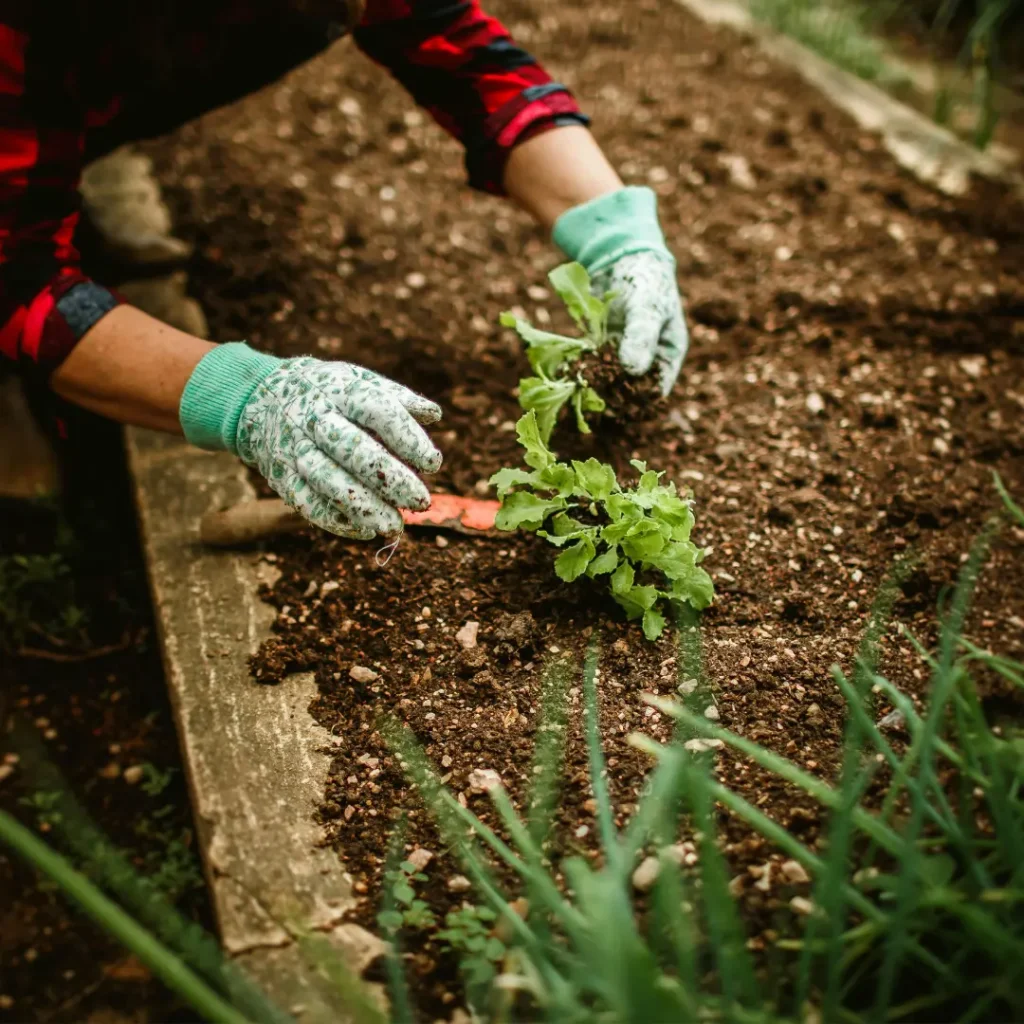
Quick answer: Container gardening in Kerala works well for balconies, terraces, and small plots. Choose containers with good drainage. Use a light, well-draining potting mix rather than garden soil. Place containers where they get enough sun for whatever you’re growing. Water more often than you would in the ground, since containers dry out faster.
Container gardening has become the default way many Kerala homeowners grow plants. This is especially true in cities and apartments where ground space is limited or unavailable. It works for vegetables, herbs, flowering plants, and even small fruit trees. It also gives you far more control over soil, drainage, and placement than planting directly in the ground.
This guide covers what makes container gardening different from ground gardening in Kerala. It also covers how to set yours up for success.
Why Container Gardening Works Well in Kerala
Containers offer control that ground beds don’t. You choose the soil and control drainage. You can also move plants to chase sunlight or shelter them from heavy rain. This matters a lot in Kerala, where monsoon waterlogging is one of the most common reasons plants struggle.
Containers also suit renters and apartment dwellers well. A container garden moves with you if you relocate. It doesn’t require permanent changes to a rented balcony or terrace. For homeowners with poor-draining ground soil, containers offer a practical way to garden without first overhauling the entire yard.
For general growing conditions across Kerala, our Gardening Tips for Kerala Homeowners guide is a useful companion to this one.
What to Grow in Containers
Almost anything can grow in a container, provided the container is sized appropriately.
Vegetables like chilli, tomato, brinjal, and okra all do well in containers. Aim for at least 30 to 40 centimeters of depth. Leafy greens and herbs need less room and work well in shallower containers.
Herbs and spices, including curry leaf, mint, coriander, and turmeric, suit container life well and don’t take up much space.
Flowering plants such as Hibiscus, Ixora, and Marigold adapt well to pots, especially compact varieties bred for container growing. Our Best Flowering Plants for Kerala guide covers more options suited to pots and balconies.
Indoor plants like Snake Plant, Money Plant, and ZZ Plant are container plants by default. Our Best Indoor Plants for Kerala Homes guide covers these in depth.
Potting Mix for Containers
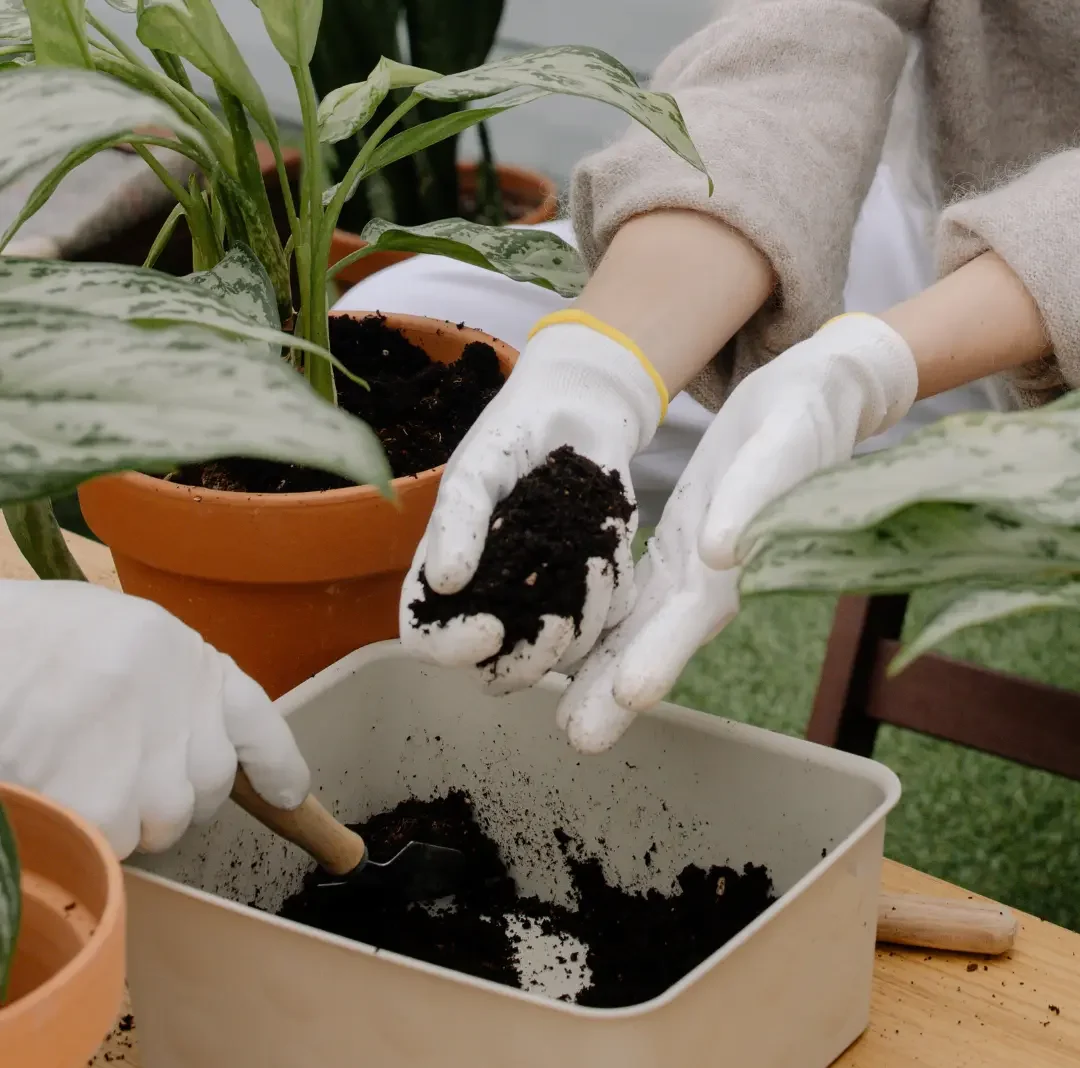
Container plants need a different soil mix than ground beds. Regular garden soil compacts easily in a container and drains poorly, which can suffocate roots over time.
A good container mix combines potting soil, compost, and a coarse material like sand or perlite for drainage. This blend holds moisture without staying waterlogged, and it stays loose enough for roots to grow through easily. Avoid packing the mix down tightly when filling a container, roots need air pockets to develop properly.
Placement and Light
Where you place a container matters as much as what’s growing in it. Match the container’s spot to the plant’s light needs rather than choosing a spot for convenience alone.
Sun-loving vegetables and flowering plants need at least 4 to 6 hours of direct sunlight. Place these containers in the brightest part of a balcony or terrace. Shade-tolerant indoor plants can go in dimmer corners or rooms with filtered light. If you’re unsure how much sun a spot gets, observe it across a full day first.
Grouping containers together can also help. Clustered pots create a slightly more humid microclimate and provide some mutual shade. Both effects reduce how quickly they dry out during hot weather.
Watering and Seasonal Care
Containers dry out faster than ground soil. There’s less volume to hold moisture and more surface area exposed to sun and air. Check the soil before watering rather than following a fixed schedule. Expect to water more frequently than you would for the same plant in the ground.
Container care also needs to shift with Kerala’s seasons. During monsoon, reduce watering and make sure drainage holes stay clear. Containers can hold excess rainwater longer than you’d expect. Our Kerala Monsoon Gardening Tips guide covers this in more detail. During summer, check containers daily, since small pots can dry out within hours in direct heat. Our Summer Gardening Tips for Kerala guide covers adjustments for the hottest months.
Common Mistakes
A few recurring mistakes account for most container gardening problems in Kerala.
- Using plain garden soil instead of a proper container mix, leading to poor drainage and compacted roots.
- Choosing a container without drainage holes, which traps excess water around the roots regardless of how carefully you water.
- Underestimating mature plant size, resulting in a container too small for the plant within a few months.
- Ignoring seasonal changes, watering containers the same way in monsoon as in summer, when their needs are quite different.
Our guide to Best Pots and Planters for Home Gardening covers container material and sizing in more depth, useful for avoiding these issues from the start.
Conclusion
Container gardening in Kerala gives you flexibility that ground gardening often can’t. You get control over soil, drainage, and placement, all without needing a large yard. Choose the right potting mix, place containers according to each plant’s light needs, and adjust watering with the seasons. Do this, and a container garden can be just as productive as one planted directly in the ground.
To round out your setup, browse ROOTIQUE’s full range of pots and planters suited to container gardening in Kerala homes.