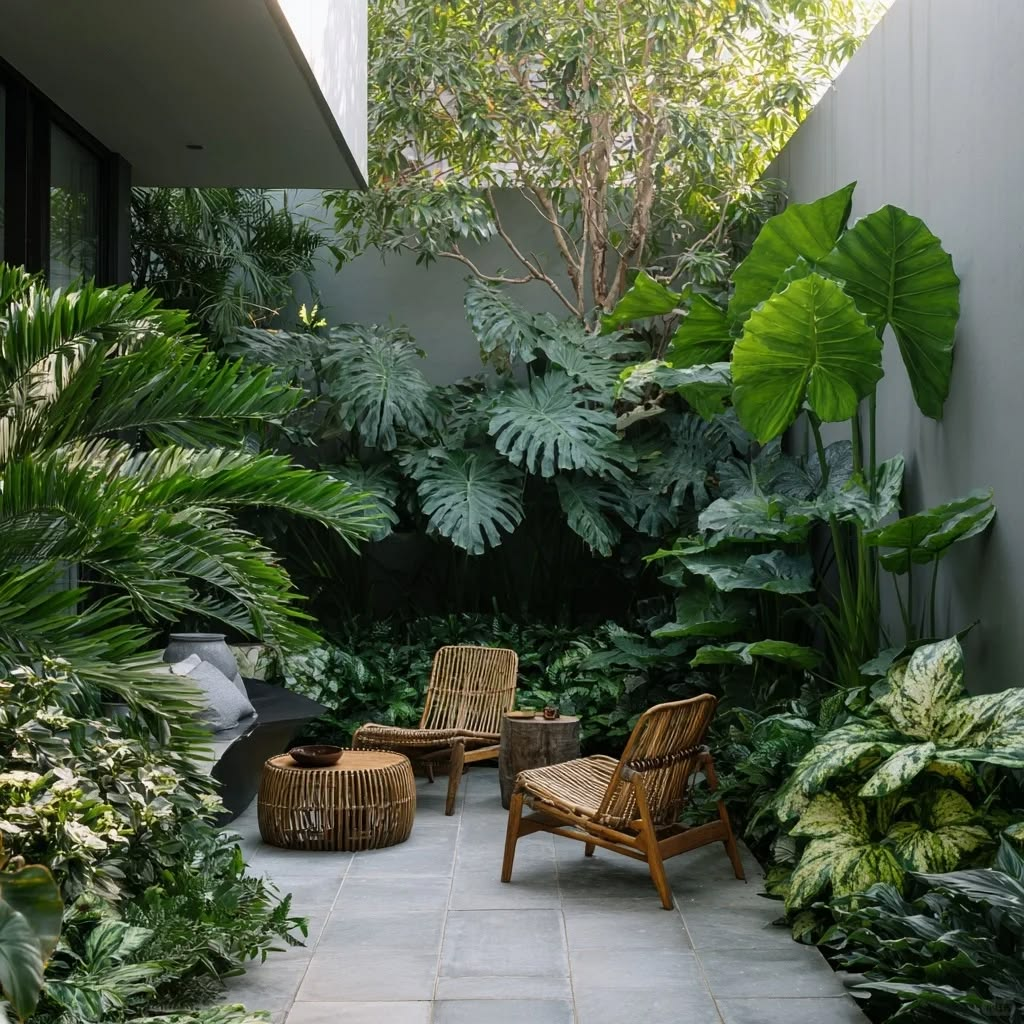
Quick answer: Successful gardening in Kerala comes down to five things: choosing plants suited to your space and sunlight, managing drainage carefully during monsoon, watering according to season rather than habit, feeding soil with compost, and keeping up with light seasonal maintenance. Get these right and Kerala’s warm, humid climate does most of the work for you.
Kerala’s lush greenery reflects its favorable climate for gardening. With abundant rainfall, warm temperatures, and fertile soil, homeowners across the state can grow vegetables, herbs, flowering plants, fruit trees, and indoor plants for most of the year.
Beyond the visual appeal, gardening comes with real benefits. A well-maintained garden gives you fresh vegetables and herbs, improves indoor air quality, and creates a calming connection with nature. Many Kerala homeowners are also shifting toward organic methods to grow healthier food while reducing their environmental footprint.
That said, gardening here isn’t automatic. Heavy monsoon rain, high humidity, occasional summer heat, and seasonal pests can all affect plant health if you don’t plan around them. The right plant choices and small adjustments to your routine make the difference between a garden that struggles and one that thrives.
This guide walks you through choosing suitable plants, understanding Kerala’s growing conditions, and building a maintenance routine that works with the climate instead of against it.
Understanding Kerala’s Gardening Environment
Kerala’s tropical climate brings high humidity, heavy rainfall, and warm temperatures year-round, generally between 23°C and 32°C. These conditions support a wide range of vegetables, herbs, tropical flowers, fruit trees, and ornamental plants without the interruption of a cold season.
The same conditions that help plants grow can also work against you. Excess moisture raises the risk of fungal infections and root rot, while warm weather encourages certain pests to multiply quickly. The most common challenges homeowners run into are:
- Waterlogging and poor drainage during monsoon
- Fungal diseases linked to high humidity
- Pest outbreaks in warm weather
- Heat stress during peak summer
- Nutrient loss from heavy rain washing through soil
None of these are reasons to avoid gardening in Kerala. With proper drainage, the right plant choices, and seasonal adjustments to your routine, they’re all manageable. In exchange, you get a longer growing season, the ability to raise multiple crops a year, and conditions that are naturally suited to organic gardening.
Popular Gardening Types for Kerala Homes
One advantage of gardening in Kerala is flexibility. Whether you have a backyard, a balcony, a terrace, or just a windowsill, there’s a gardening style that fits your space.
Indoor gardening has grown popular in urban Kerala homes where outdoor space is limited. Beyond looking good, indoor plants can improve air quality and add a calming presence to a room. Low-maintenance options like Snake Plant, ZZ Plant, and Money Plant tolerate occasional neglect and adapt well to indoor light. For a full breakdown of the best options for Kerala homes specifically, see our guide to Best Indoor Plants for Kerala Homes.
Traditional homestead gardening reflects Kerala’s agricultural heritage, combining vegetables, fruit trees, spices, and flowering plants in one space. A common approach is layering plants by height, tall trees like coconut and moringa, mid-height banana and papaya, shrubs like curry leaf and hibiscus, and vegetables at ground level. This mimics a natural ecosystem and makes efficient use of space while improving soil health and supporting pollinators.
Kitchen gardens let you grow everyday vegetables, herbs, and spices at home. Okra, tomato, chilli, brinjal, and bitter gourd are reliable choices for Kerala’s climate, alongside herbs like curry leaf, mint, coriander, and turmeric. For a deeper walkthrough of planning and growing a kitchen garden, see our guide to Vegetable Gardening in Kerala.
Vertical gardening works well when space is tight. Growing climbers like bitter gourd, snake gourd, and passion fruit upward instead of outward improves airflow, makes harvesting easier, and reduces pest and disease problems. Trellises, wall-mounted planters, and hanging containers all support this style.
Terrace and balcony gardens are increasingly common in Kerala’s apartments. Success here depends on container choice, drainage, and matching plants to the sunlight your terrace actually gets. We cover container selection, sizing, and setup in detail in [Container Gardening in Kerala].
Best Plants for Kerala Home Gardens
Choosing plants that naturally suit Kerala’s warm, humid climate makes gardening far easier. Here’s a quick reference across the main categories.
| Category | Recommended Plants |
|---|---|
| Indoor Plants | Snake Plant, ZZ Plant, Money Plant, Peace Lily, Areca Palm |
| Vegetables | Okra, Tomato, Chilli, Bitter Gourd, Brinjal |
| Traditional Crops | Cheera, Chembu, Chena, Moringa |
| Herbs & Spices | Tulsi, Curry Leaf, Ginger, Turmeric, Lemongrass |
| Climbers | Bitter Gourd, Snake Gourd, Pole Beans, Passion Fruit |
| Flowering Plants | Hibiscus, Jasmine, Ixora, Marigold, Bougainvillea |
A few worth knowing in more depth: Snake Plant and ZZ Plant are both excellent starting points for beginners since they tolerate low light and irregular watering. We’ve put together a full care guide for one of these in ZZ Plant Care: The Complete Beginner’s Guide, and we’ll be adding similar guides for Snake Plant and Money Plant soon.
For outdoor and flowering choices, Hibiscus, Jasmine, and Ixora are reliable across most Kerala gardens, tolerating both heavy rain and heat once established. We go deeper on selecting and caring for these in [Best Flowering Plants for Kerala] and [Best Outdoor Plants for Kerala Gardens].
Choosing climate-appropriate plants from the start reduces maintenance and increases your odds of a successful harvest or bloom.
Essential Growing Requirements
Even well-chosen plants need the right conditions to thrive. Four things matter most: sunlight, water, soil, and nutrients.
Sunlight. Most vegetables and flowering plants need 4 to 6 hours of direct sunlight daily, tomato, chilli, okra, and hibiscus among them. Indoor and ornamental plants like Snake Plant, Peace Lily, and ZZ Plant generally prefer filtered or indirect light instead. Watch how sunlight moves across your space over a full day before deciding what to plant where.
Watering. Morning watering is usually best. It gives plants time to absorb moisture before the heat rises and lets any water on leaves evaporate before evening, lowering the risk of fungal disease. If you must water in the evening, water the soil directly and avoid wetting the leaves. Whatever the time, check the soil before watering rather than following a fixed schedule. Overwatering, not underwatering, is the most common mistake home gardeners make in Kerala, and it shows up as yellowing leaves, wilting despite wet soil, or root rot.
Soil and potting mix. A simple mix of one part garden soil, one part sand, and one part compost works as a reasonable starting point for containers, grow bags, and raised beds. Treat it as a baseline rather than a fixed formula, though. Vegetables, flowering plants, and indoor plants each have somewhat different needs, and it’s worth adjusting the ratio once you see how a particular plant responds.
Compost and organic matter. Compost improves soil structure, water retention, and nutrient availability, while vermicompost (compost produced by earthworms) is especially rich in nutrients and supports stronger root development. If you’re new to composting, our guide to Kitchen Waste Composting at Home shows you how to turn kitchen scraps into usable compost, and Organic Gardening for Beginners covers building an organic routine from the ground up.
Plant Maintenance and Care
A few consistent habits go a long way toward keeping a Kerala garden healthy.
- Prune regularly to remove dead or overcrowded growth. This improves airflow and sunlight penetration, and it encourages stronger flowering and fruiting, especially on shrubs and fruit trees.
- Deadhead spent flowers on plants like marigold to encourage more blooms and keep the plant looking tidy.
- Mulch the soil with dry leaves, coconut husk, or straw to reduce water evaporation and suppress weeds, particularly useful during Kerala’s hotter months.
- Rotate crops in kitchen gardens so the same vegetable, tomato, chilli, or brinjal, doesn’t grow in the same soil season after season. This helps prevent nutrient depletion and pest buildup.
- Add trellis support for climbers like bitter gourd and cucumber to improve air circulation, keep fruit clean, and make harvesting easier.
Natural Pest and Disease Control
Kerala’s warmth and humidity create favorable conditions for common pests like aphids, mealybugs, and caterpillars. Aphids show up as curled leaves and sticky residue on tender shoots. Mealybugs appear as white, cotton-like clusters, often on indoor plants. Caterpillars leave visible holes in leaves and chewed foliage.
Organic control methods work well for most home gardens:
- Neem oil spray controls aphids, mealybugs, whiteflies, and mites, and is safe for most plants when applied in early morning or late evening.
- Garlic-chilli spray, made by blending garlic and chilli with water, straining, and diluting, acts as a natural deterrent for chewing and sap-sucking insects.
- Companion planting with marigold, basil, or lemongrass helps repel pests naturally while attracting pollinators.
A healthy garden with good airflow and proper watering is often your best defense before you need to reach for any spray at all.
Seasonal Care: Monsoon and Summer
Kerala’s two dominant seasons call for different approaches. During monsoon, the priority shifts from watering to drainage: check that containers and beds aren’t holding standing water, and reduce or pause watering when rainfall is already keeping the soil moist. During summer, the priority flips: containers and exposed soil dry out faster, so mulching and more frequent moisture checks become important.
We’ve written detailed, season-specific guides for both: [Kerala Monsoon Gardening Tips] and [Summer Gardening Tips for Kerala]. If your plants are already showing stress and you’re not sure why, our troubleshooting guide, [Common Gardening Problems in Kerala], walks through the most frequent symptoms and their likely causes.
Common Gardening Mistakes Kerala Homeowners Should Avoid
A handful of recurring mistakes account for most gardening setbacks in Kerala.
- Overwatering during monsoon. Sticking to a regular watering schedule when it’s already raining is one of the most common causes of root rot and fungal disease.
- Ignoring drainage. Standing water, foul-smelling soil, and wilting despite wet conditions are all signs of poor drainage that need fixing before you plant more.
- Using poor-quality soil. Weak growth and reduced flowering often trace back to soil that hasn’t been improved with compost or organic matter.
- Choosing unsuitable plants. Not every plant, however attractive, suits Kerala’s humidity and rainfall. Check sunlight, space, and water needs before buying.
- Skipping regular maintenance. Even low-maintenance gardens need periodic pruning, weeding, and monitoring. Small, consistent effort beats occasional intensive work.
Final Thoughts
Home gardening in Kerala offers a genuine opportunity to build a greener, healthier lifestyle, and the state’s climate does a lot of the heavy lifting once you understand how to work with it. Good plant selection, reliable drainage, season-aware watering, and healthy soil are the foundations everything else builds on.
If you’re just starting out, begin with a few easy plants and expand as you gain confidence. Whichever direction you take your garden, whether that’s a kitchen garden, a terrace setup, indoor greenery, or a full landscaped yard, you’ll find dedicated guides on our blog for each: from choosing [Best Pots & Planters for Home Gardening] to designing your outdoor space in our Gardening and Landscaping in Kerala guide.
With the right approach, your home garden can become a space that gives back fresh produce, cleaner air, and a closer connection to nature for years to come.