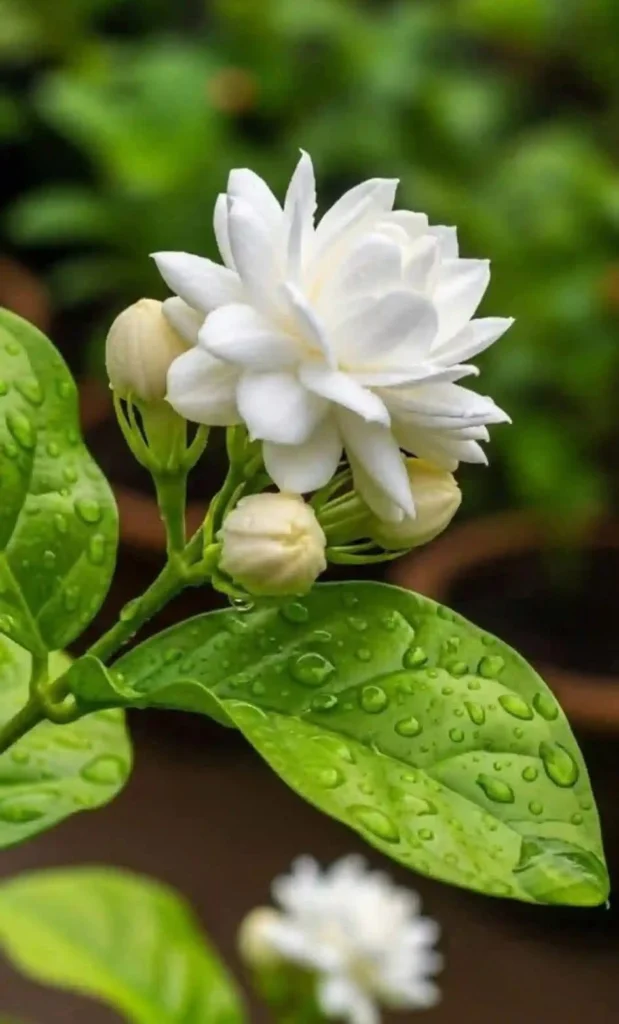
Quick answer: Jasmine care comes down to a few basics. Give it full sun to partial shade. Water moderately, letting the topsoil dry out between sessions. Prune lightly after flowering to encourage fuller growth. Train it along a trellis or fence if you want it to climb. Get these right, and Jasmine rewards you with fragrant blooms for much of the year.
Jasmine, known locally as Mulla, holds a special place in Kerala households. It’s grown as much for its fragrance as for its flowers, and its blooms are traditionally woven into hair or used in temple offerings. Beyond the cultural value, Jasmine is a genuinely rewarding plant to grow, given the right light, water, and support.
This guide covers what Jasmine needs to thrive, along with pruning tips and the problems it occasionally runs into.
Sunlight Requirements
Jasmine grows best in full sun to partial shade. Aim for at least 4 to 6 hours of sunlight daily for the strongest flowering. In deeper shade, the plant survives but produces noticeably fewer blooms and grows more sparsely.
A spot near a wall, fence, or trellis with good morning sun works particularly well. Morning light tends to be gentler than harsh afternoon sun, which can sometimes stress young plants or fresh growth.
Watering Jasmine
Jasmine needs moderate, consistent watering rather than either extreme. Water when the top inch of soil feels dry. Avoid letting the plant sit in constantly soggy soil, since this encourages root problems over time.
During Kerala’s monsoon, cut back on manual watering significantly and rely on rainfall instead. During summer, check the soil more often, especially for potted Jasmine, since containers dry out faster than garden beds. Good drainage matters as much as watering frequency here. Our guide to Best Pots and Planters for Home Gardening covers container choices that suit flowering plants like Jasmine well.
Soil and Support
Jasmine prefers well-draining soil enriched with organic matter. A mix of garden soil, compost, and a bit of sand works well both in the ground and in containers.
Most Jasmine varieties grow as vines or sprawling shrubs, so some form of support helps keep growth manageable. A trellis, fence, or wall gives the plant something to climb, which also improves airflow around the foliage and makes pruning easier to manage. Without support, Jasmine tends to sprawl outward and can become tangled over time.
Pruning for Fuller Growth
Regular pruning keeps Jasmine blooming well rather than just growing taller. Without it, the plant can become leggy, with flowers appearing mostly at the tips of long, bare stems.
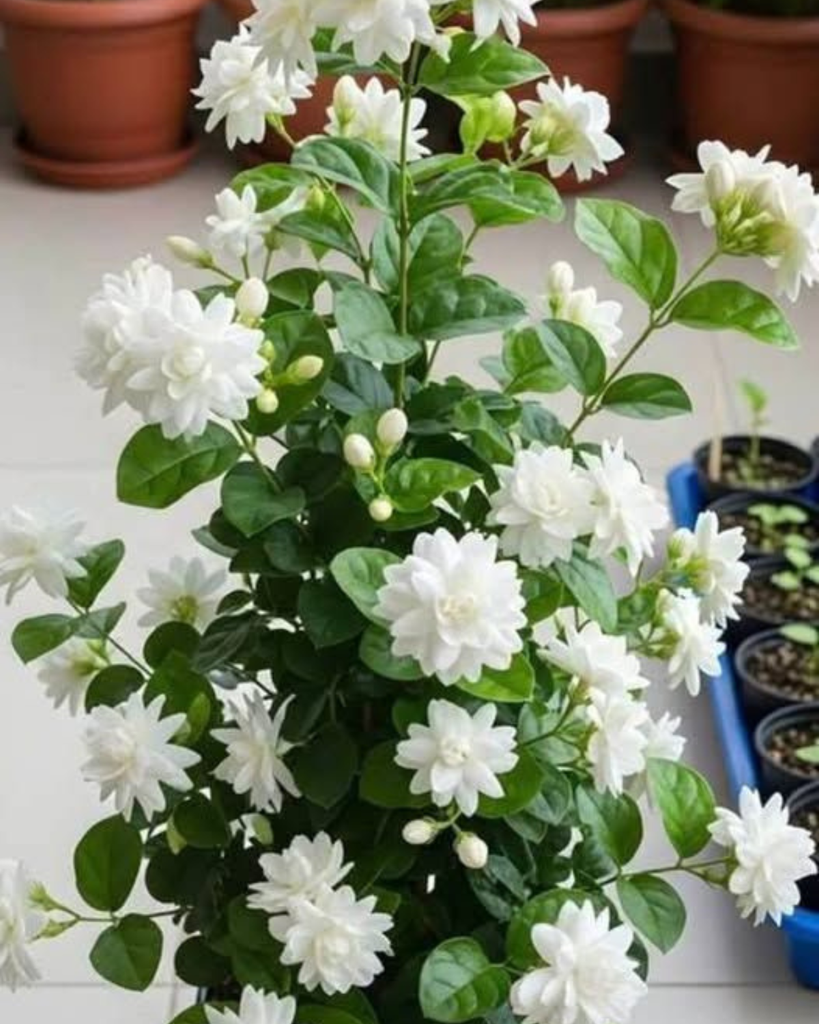
Prune lightly after each flowering cycle, cutting back overgrown stems by about a quarter to a third. Always cut just above a leaf node to encourage new branching. More branches generally mean more flowering points the next time around. Avoid heavy pruning right before or during a bloom period, since this removes buds before they get a chance to open.
Common Problems
Jasmine is fairly low-maintenance, but a handful of issues show up often enough to know about in advance.
- Reduced flowering most often points to insufficient sunlight or a lack of regular pruning. Check both before assuming a soil or feeding issue.
- Yellowing leaves can signal overwatering or poor drainage. Ease off watering and check that excess water has somewhere to go.
- Aphids and mealybugs sometimes target new growth and flower buds. A neem oil spray in the early morning or evening usually clears them within a week or two.
- Sparse, leggy growth typically means the plant hasn’t been pruned in a while. A round of pruning after the next bloom cycle usually restores fuller growth.
Conclusion
Jasmine remains one of Kerala’s most cherished flowering plants, and it’s genuinely manageable once you get the basics right. Give it good sun, steady but moderate watering, and regular light pruning, and it will reward you with fragrant blooms for much of the year.
For more flowering plants to grow alongside Jasmine, see our guide to Best Flowering Plants for Kerala, or explore our Hibiscus Care Guide for another Kerala household favorite.