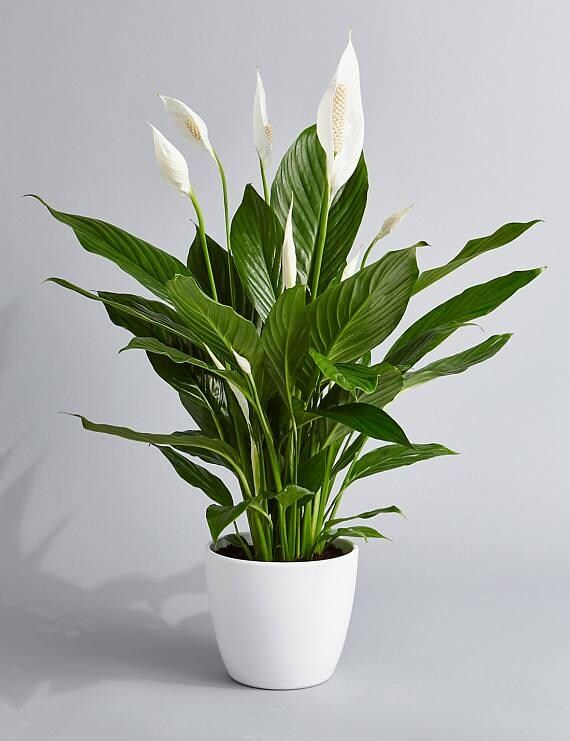
Quick answer: Peace Lily care is simple. Give it medium, indirect light. Water when the top inch of soil feels dry. Use well-draining soil rich in organic matter. Keep humidity moderate to high. Peace Lily rewards consistent care with glossy foliage and elegant white blooms. It’s one of the few common houseplants that flowers reliably indoors.
Peace Lily stands out among indoor plants for a simple reason: it actually flowers indoors, something most houseplants don’t do reliably. Its dark green, glossy leaves and distinctive white, hood-shaped blooms make it a popular choice for Kerala homes. It tolerates indoor conditions reasonably well once you understand its light and watering preferences.
This guide covers what Peace Lily needs to thrive. It also covers how to encourage flowering and the problems it occasionally runs into.
Light Requirements
Peace Lily prefers medium, indirect light, brighter than deep shade but never direct sun, which can scorch its leaves. A spot a few feet back from a window, or one that receives filtered light through a curtain, suits it well.
Peace Lily tolerates lower light better than many flowering houseplants, though flowering slows down considerably in very dim conditions. If your plant has healthy leaves but isn’t blooming, insufficient light is often the reason.
Watering Peace Lily
Peace Lily is one of the more communicative houseplants when it comes to watering. It droops noticeably when thirsty, which makes it easier than most plants to read.
Water when the top inch of soil feels dry, or when you notice the leaves starting to droop slightly. The plant typically perks back up within a few hours of watering, a useful confirmation that watering was the right call. That said, don’t wait for drooping every time. Aim to catch the soil dryness before the leaves show stress.
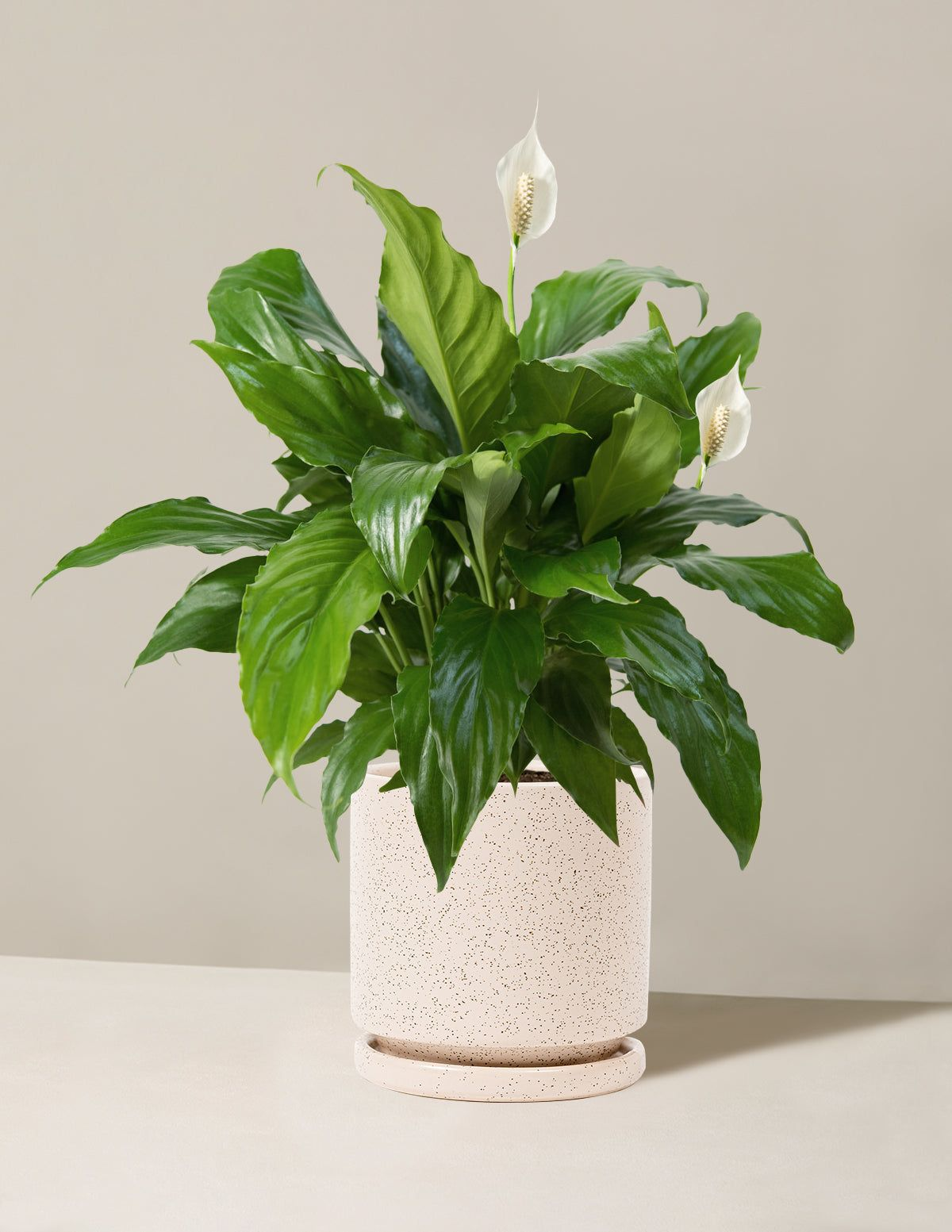
Avoid letting Peace Lily sit in standing water, since this leads to root rot quickly. Good drainage matters as much as regular watering. Our guide to Best Pots and Planters for Home Gardening covers container choices suited to indoor plants like Peace Lily.
Soil and Feeding
Peace Lily grows best in soil rich in organic matter, with good drainage. A standard potting mix amended with compost or a bit of perlite works well.
Feed every 6 to 8 weeks during the growing season with a balanced liquid fertilizer diluted to about half strength. Peace Lily doesn’t need heavy feeding, and over-fertilizing can cause brown leaf tips.
Humidity and Temperature
Peace Lily prefers moderate to high humidity, which makes Kerala’s climate generally favorable for it. This is particularly true compared to drier, air-conditioned interiors elsewhere. If your home runs an air conditioner heavily, occasional misting or a nearby humidity tray can help offset the drier air.
Keep Peace Lily away from cold drafts or direct air conditioning vents. Sudden temperature swings can stress the plant and show up as drooping or leaf discoloration even when watering and light are fine.
Encouraging Flowering
Peace Lily flowers most reliably with consistent indirect light. Insufficient light is the most common reason a healthy-looking plant fails to bloom. If your plant has good foliage but no flowers, try moving it slightly closer to a light source.
A light feed during the growing season also supports flowering, though avoid overdoing it. Excess fertilizer tends to favor leaf growth over blooms. Once flowers fade, snip the spent flower stalks at the base to keep the plant tidy and redirect energy toward new growth.
Common Problems
Peace Lily is generally easy to grow, but a few issues come up occasionally.
- Drooping leaves most often mean the plant needs water. Persistent drooping despite moist soil can point to root rot instead. Check the soil moisture first.
- Brown leaf tips usually result from low humidity, mineral buildup from tap water, or over-fertilizing. Filtered or rainwater can help if this becomes a recurring issue.
- Yellowing leaves can signal overwatering or too much direct light. Check both before assuming a nutrient problem.
- No flowers despite healthy growth almost always comes back to insufficient light. Move the plant to a brighter, indirect-light spot.
Conclusion
Peace Lily brings something genuinely different to a Kerala home’s indoor plant collection: reliable flowers alongside easy-care foliage. Give it medium indirect light, watch for its drooping cue to water, and keep humidity reasonably high. It will reward you with both greenery and blooms for years.
For more indoor plants suited to Kerala homes, see our guide to Best Indoor Plants for Kerala Homes. You can also explore our Snake Plant Care Guide for another reliable indoor favorite.