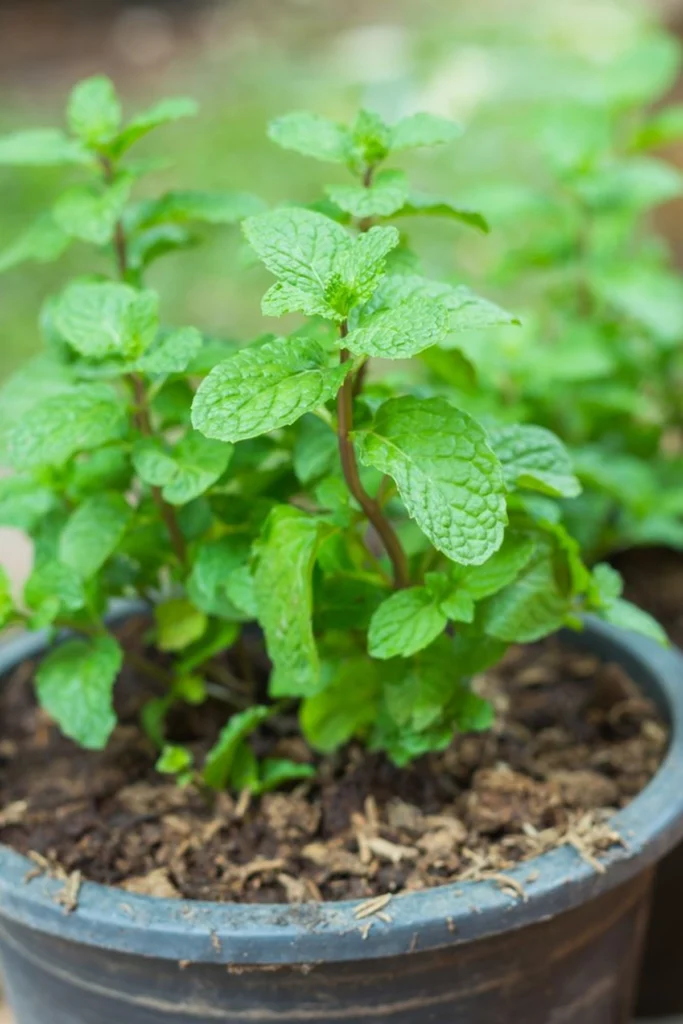
Quick answer: Mint care is simple. Give it partial shade. Water frequently, since it likes consistently moist soil. Grow it in a dedicated container to stop its roots from spreading uncontrollably. Harvest regularly to keep it bushy. Get these basics right, and Mint provides a steady, low-effort supply of fresh leaves for cooking and drinks.
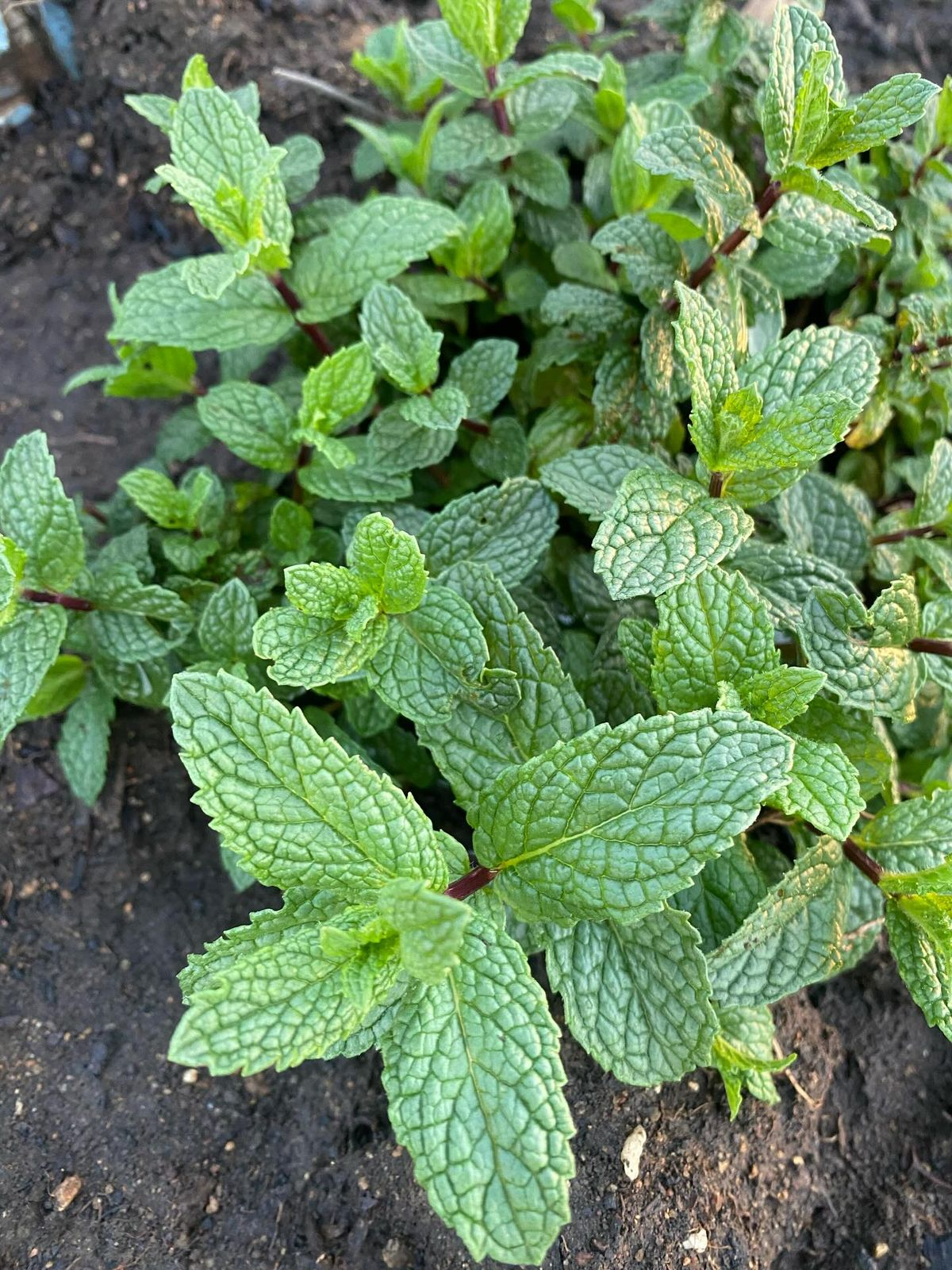
Mint is one of the easiest herbs to grow in a Kerala home. It’s fast-spreading, tolerant of shade, and useful in everything from chutneys to tea. The main thing to manage isn’t keeping it alive, it’s keeping it contained, since Mint spreads aggressively once established.
This guide covers what Mint needs to thrive. It also covers why containers matter so much and the problems it occasionally runs into.
Light Requirements
Mint tolerates partial shade better than most culinary herbs. This makes it a good fit for spots that don’t get full sun all day. It also grows well in brighter conditions, provided the soil stays consistently moist.
A balcony corner that gets a few hours of morning sun and shade for the rest of the day suits Mint particularly well. These are conditions that would leave many sun-loving herbs struggling.
Watering Mint
Mint likes consistently moist soil more than almost any other common kitchen herb. Water when the top of the soil starts to feel dry. In a container, this often means every day or two, especially during Kerala’s summer.
Good drainage still matters despite Mint’s love of moisture. Waterlogged, stagnant soil causes root problems even in a moisture-loving plant like this. Choose a container with proper drainage holes rather than assuming frequent watering alone is enough. Our guide to Best Pots and Planters for Home Gardening covers container choices suited to herbs like Mint.
Why Mint Needs Its Own Container
Mint spreads through underground runners. If planted directly in a shared garden bed, it will quickly spread beyond its intended space and crowd out neighboring plants. This is the single most important thing to know before planting it.
Always grow Mint in its own dedicated container, even if the rest of your herb garden is planted in the ground. If you want Mint near other plants visually, sink the container into the ground up to its rim instead. This contains the roots while still looking integrated with the surrounding bed.
Soil and Feeding
Mint isn’t particular about soil quality and grows well in a standard potting mix enriched with a bit of compost. Good drainage matters more than soil richness here.
Feed lightly every 4 to 6 weeks with a balanced fertilizer during the growing season. Mint doesn’t need heavy feeding to stay productive, over-fertilizing can actually reduce the intensity of its flavor.
Harvesting and Maintenance
Regular harvesting is what keeps Mint bushy and productive rather than leggy and sparse. Pinch or snip stems just above a leaf node. This encourages the plant to branch out from that point rather than just growing taller.
Harvest from the top of the plant regularly rather than stripping leaves from a single stem. This keeps growth even across the whole plant. If Mint starts flowering, pinch off the flower buds, flowering tends to make the leaves taste more bitter.
Every year or two, divide an established Mint plant and replant a healthy section in fresh soil. This keeps it productive rather than rootbound and depleted.
Common Problems
Mint is generally easy to grow, but a few issues come up occasionally.
- Wilting despite moist soil can point to root rot from poor drainage rather than a lack of water. Check that the container drains properly before adding more water.
- Sparse, leggy growth usually means the plant isn’t being harvested often enough, or isn’t getting quite enough light. Increase harvesting frequency and check the light level.
- Powdery mildew, a white, powdery coating on leaves, can develop in humid, crowded conditions. Improve airflow around the plant and remove affected leaves promptly.
- Aphids occasionally target new growth. A neem oil spray in the early morning or evening usually clears them up within a week or two.
Conclusion
Mint rewards very little effort with a steady, fragrant harvest, provided you respect its one real requirement: a container of its own. Give it partial shade, consistent moisture, and regular harvesting. It will keep your kitchen supplied for years without much attention.
For more herbs and spices to grow alongside Mint, see our guide to Best Herbs and Spices for Kerala Gardens. You can also explore our Curry Leaf Care Guide for another Kerala kitchen garden staple.