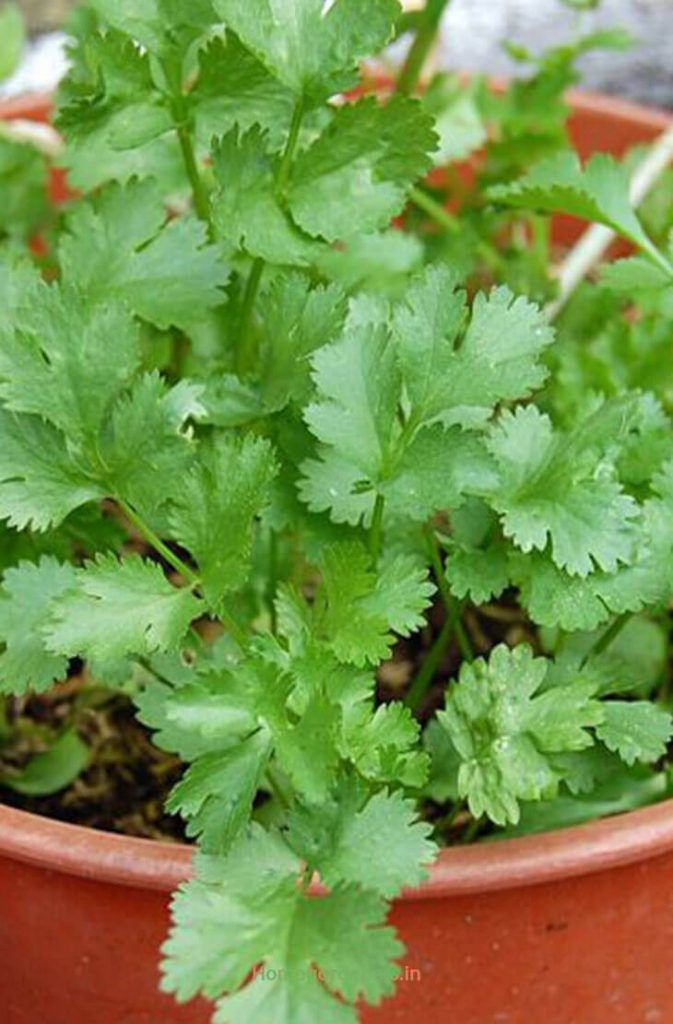
Quick answer: Coriander care is simple but time-sensitive. Give it full sun to partial shade. Water regularly to keep the soil consistently moist. Sow small batches every few weeks rather than all at once. Coriander grows fast and bolts (flowers) quickly in Kerala’s heat. Harvest leaves as soon as the plant is established, usually within 3 to 4 weeks of sowing.
Coriander is a kitchen garden staple across Kerala, used fresh in everything from chutneys to curries. It’s also one of the faster-moving herbs to grow. It’s quick to sprout, quick to mature, and quick to bolt in hot weather. Managing that speed, rather than keeping the plant alive, is the main skill involved.
This guide covers what Coriander needs to thrive. It also covers how to keep a steady supply going through succession planting, and the problems it occasionally runs into.
Sunlight Requirements
Coriander grows well in full sun but tolerates partial shade too. In Kerala’s heat, some afternoon shade can actually help. Full, intense sun combined with high temperatures speeds up bolting. This causes the plant to flower and go to seed before you’ve had much chance to harvest.
A spot with morning sun and afternoon shade often gives the best results. This gives enough light for healthy growth without pushing the plant to bolt too quickly.
Watering Coriander
Coriander needs consistently moist soil to grow well and to delay bolting. Water regularly, keeping the top layer of soil from drying out completely between waterings.
During Kerala’s hot, dry spells, this may mean watering daily for container-grown Coriander. During monsoon, reduce watering and rely on rainfall. Check that the soil doesn’t stay waterlogged, since Coriander doesn’t tolerate sitting in wet soil for extended periods either.
Soil and Feeding
Coriander grows best in loose, well-draining soil enriched with compost. Avoid heavy, compacted soil, which restricts the root growth this fast-growing herb needs to keep up with its pace.
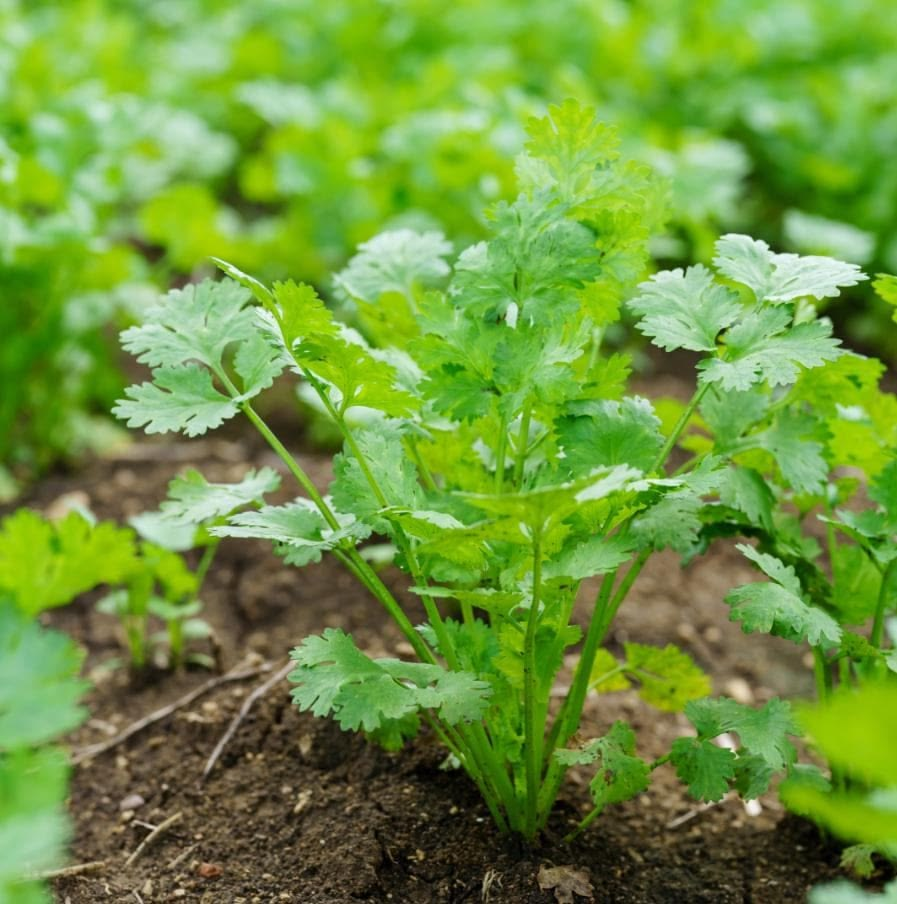
Light feeding is usually enough. Work compost into the soil before sowing. Add a light balanced feed partway through growth if the plant looks pale or growth seems slow. Coriander’s quick lifecycle means it doesn’t need repeated heavy feeding the way slower-growing plants do.
Succession Planting for a Steady Supply
Coriander bolts quickly, especially in Kerala’s warm climate. A single sowing gives you only a short window of usable leaves before the plant flowers and the leaves turn bitter.
Sow a small batch of seeds every 2 to 3 weeks instead of planting everything at once. This staggers your harvest, so as one batch starts bolting, the next is just reaching a usable size. A few small containers rotated this way can keep a household in fresh Coriander almost continuously.
Harvesting Coriander
Harvest leaves once the plant reaches about 10 to 15 centimeters tall, usually 3 to 4 weeks after sowing. Snip outer leaves and stems rather than pulling the whole plant. This lets it continue producing for a bit longer.
If the plant starts to bolt and send up a central flower stalk, you can still use the leaves. Flavor becomes slightly more bitter, though. Once it flowers fully, let it go to seed if you want to harvest coriander seeds for cooking or for replanting.
Common Problems
Coriander is generally easy to grow, but a few issues come up often given how fast it moves through its lifecycle.
- Premature bolting is the most common complaint. It’s usually caused by too much heat, too much direct sun, or inconsistent watering. Partial shade and steady moisture slow this down.
- Yellowing leaves can point to overwatering or waterlogged soil. Check drainage before assuming a nutrient issue.
- Slow germination sometimes happens with older seed. Coriander seed loses viability faster than many herbs, so use relatively fresh seed for reliable sprouting.
- Aphids occasionally target new growth. A neem oil spray in the early morning or evening usually clears them up quickly.
Conclusion
Coriander rewards a bit of planning more than it demands complex care. Stagger your sowings, keep the soil consistently moist, and give it a little shade during the hottest parts of the day. This slows bolting down. Do this, and a small rotation of pots can keep your kitchen supplied with fresh Coriander nearly year-round.
For more herbs and spices to grow alongside Coriander, see our guide to Best Herbs and Spices for Kerala Gardens. You can also explore our Mint Care Guide for another fast, useful kitchen herb.