Quick answer: Marigold care is straightforward. Give it full sun. Water when the top inch of soil feels dry. Use well-draining soil. Deadheads spent flowers regularly to encourage more blooms. Marigold grows quickly from seed and flowers within 6 to 8 weeks, making it one of the fastest, most rewarding flowering plants for a Kerala garden.
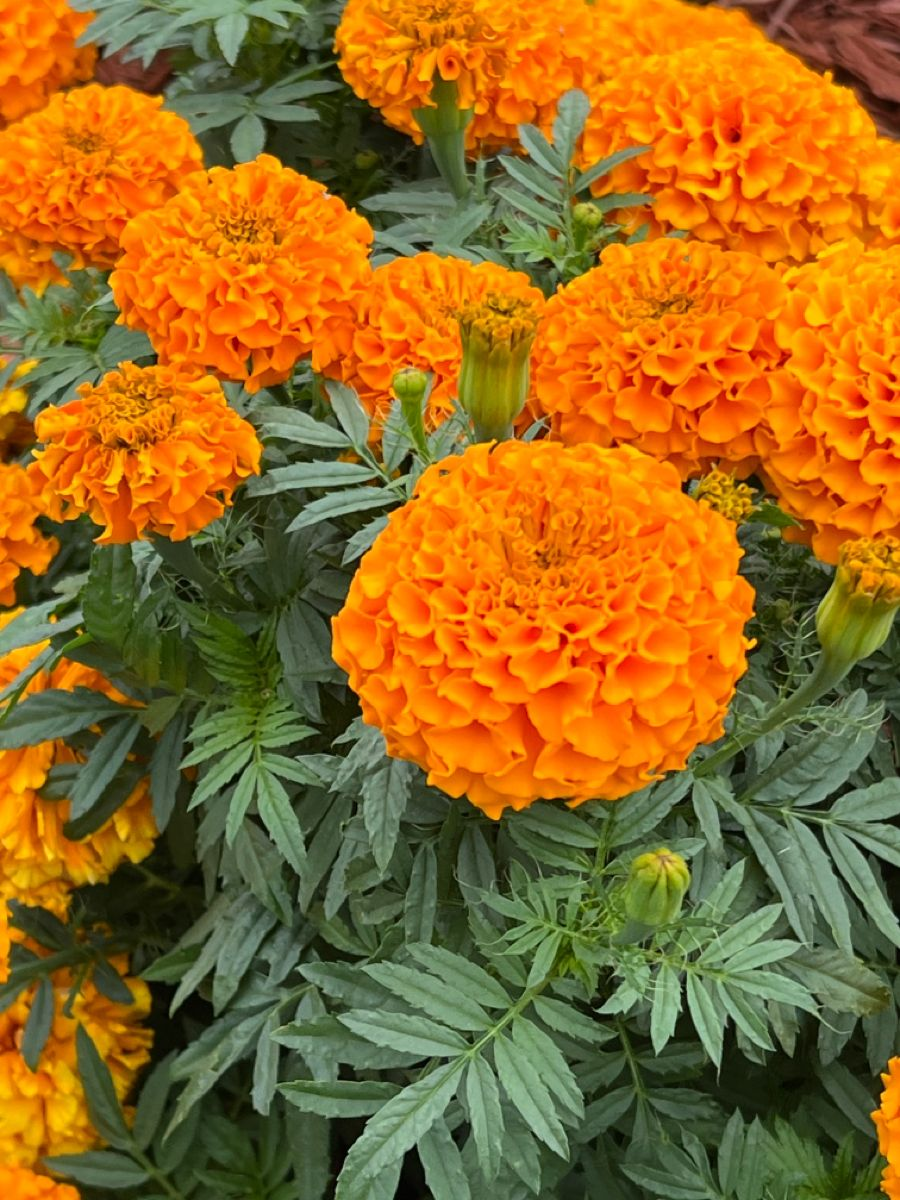
Marigold is a fast, reliable bloomer that suits both ornamental beds and kitchen gardens. Beyond its bright, cheerful flowers, it’s commonly planted alongside vegetables for its natural pest-repelling properties. This makes it one of the more functional flowering plants you can grow in Kerala.
This guide covers what Marigold needs to thrive. It also covers its companion planting benefits and the problems it occasionally runs into.
Sunlight Requirements
Marigold needs full sun to flower well. Aim for at least 6 hours of direct sunlight daily. In shadier spots, plants grow leggy and produce noticeably fewer flowers.
Marigold’s compact size makes it easy to fit into sunny gaps around a garden. Tuck it along bed edges, between vegetable rows, or in containers on a bright balcony.
Watering Marigold
Marigold tolerates some inconsistency in watering better than many flowering plants, but steady moisture produces the best blooms. Water when the top inch of soil feels dry to the touch, rather than on a fixed schedule.
During Kerala’s monsoon, cut back watering significantly and rely on rainfall. Check drainage regularly, since Marigold doesn’t tolerate waterlogged soil well. During summer, water more frequently, especially for container plants, which dry out faster than garden beds.
Soil and Feeding
Marigold isn’t particular about soil quality and grows well in average, well-draining soil. Mix in a bit of compost at planting time to give it a good start, though heavily enriched soil isn’t necessary.
Feed lightly, if at all. Marigold planted in soil with too much nitrogen tends to produce lush foliage at the expense of flowers. A light feed once during the growing season is usually enough. More than that can work against you.
Marigold as a Companion Plant
One of Marigold’s most useful qualities is what it does for the plants around it. Its roots release compounds that can deter certain soil-based pests. Its strong scent also helps confuse and repel some above-ground insects.
Plant Marigold along the borders of a vegetable bed or interspersed between rows of tomato, chilli, or other vegetables. Beyond the pest-deterrent benefit, it also attracts pollinators like bees, which can improve fruiting in nearby vegetables. Our guides to Growing Tomatoes in Kerala and Growing Chilli in Kerala both pair well with a Marigold border.
Deadheading and Maintenance
Regular deadheading, removing spent flowers before they set seed, is the single most effective way to keep Marigold blooming continuously. Pinch or snip off faded flowers just below the flower head as soon as you notice them.
Left undeadheaded, Marigold will still flower. It puts more energy into seed production and less into new blooms, though, resulting in a shorter flowering period overall. A few minutes of deadheading each week keeps plants looking fuller and blooming longer.
Common Problems
Marigold is generally easy to grow, but a few issues come up occasionally.
- Leggy, sparse growth usually means the plant isn’t getting enough sunlight. Move container plants to a brighter spot if possible.
- Reduced flowering most often traces back to skipped deadheading or too much nitrogen in the soil. Address both before assuming a pest or disease issue.
- Aphids and spider mites can target new growth, particularly during hot, dry spells. A neem oil spray in the early morning or evening usually clears them up quickly.
- Root rot develops in poorly draining or overwatered soil. Ease off watering and check drainage if plants look wilted despite moist soil.
Conclusion
Marigold brings fast, reliable color to a Kerala garden with very little demanded in return. Just full sun, moderate water, and regular deadheading keep it going. Its added role as a companion plant for vegetables makes it one of the more genuinely useful flowering plants to include in a kitchen garden.
For more flowering options, see our guide to Best Flowering Plants for Kerala. You can also explore Vegetable Gardening in Kerala to plan a garden where Marigold and vegetables grow side by side.