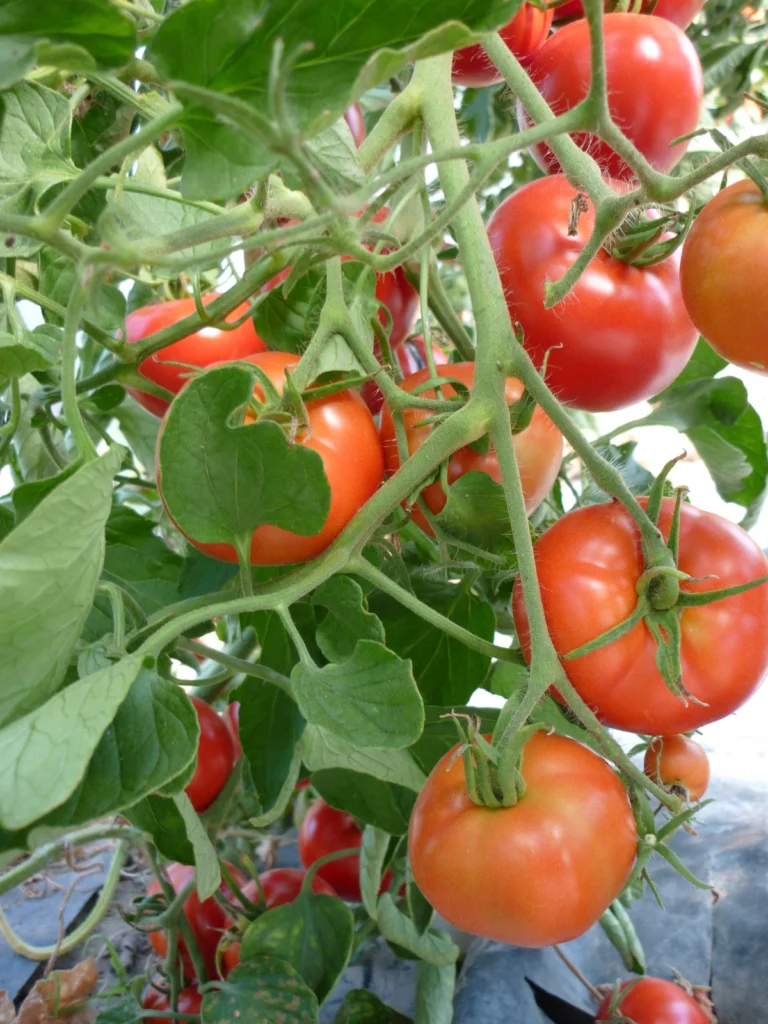
Quick answer: Growing tomatoes in Kerala works best when planted at the start of a drier stretch. Aim for just after monsoon or in early summer, since tomatoes dislike prolonged waterlogging. Give them full sun, well-draining soil enriched with compost, consistent watering, and support stakes as they grow. Expect a harvest within 60 to 80 days of transplanting.
Tomatoes are one of the most rewarding vegetables to grow in a Kerala kitchen garden. They’re productive, versatile in the kitchen, and reasonably straightforward once you account for the state’s rainfall patterns. The main challenge isn’t the climate itself. It’s timing and drainage, since tomatoes are far more sensitive to waterlogged roots than most vegetables grown here.
This guide covers when to plant tomatoes and how to care for them through their growing cycle. It also covers the problems that come up most often in Kerala’s conditions.
When to Plant Tomatoes in Kerala
Timing matters more for tomatoes than for many other Kerala vegetables. The best windows are right after the heaviest monsoon rains ease, typically September to October. The drier early summer months around January to February also work well.
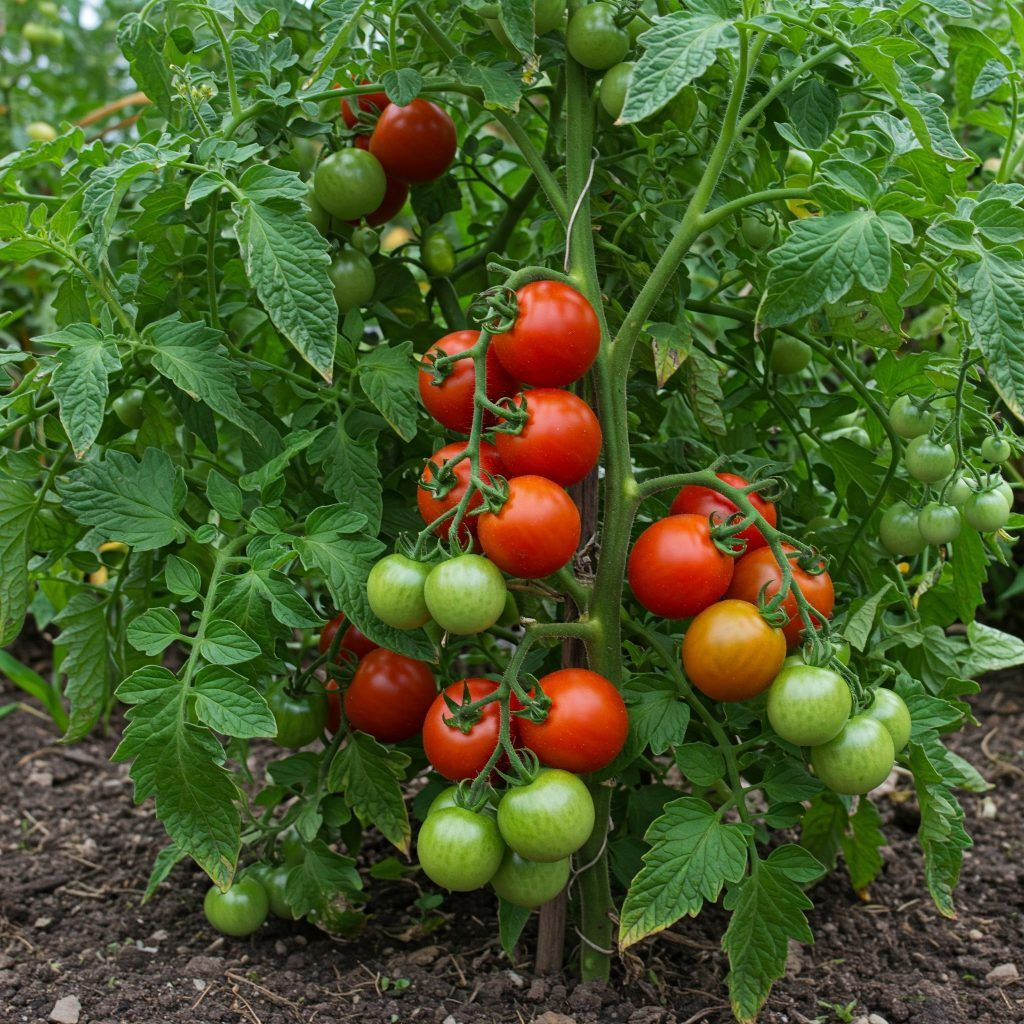
Avoid planting during peak monsoon. Young tomato plants are particularly vulnerable to waterlogging, and heavy, sustained rain can kill seedlings before they establish. If you’re growing in containers, you have more flexibility. You can move pots to a covered area during the heaviest showers.
Sunlight and Soil
Tomatoes need full sun to fruit well. Aim for at least 6 hours of direct sunlight daily. In shadier spots, plants grow leggy and produce far fewer fruits.
Well-draining soil is essential. Mix garden soil with compost and a bit of sand if your soil holds water for long periods after rain. For containers, use a potting mix with good drainage rather than plain garden soil. Our guide to Best Pots and Planters for Home Gardening covers container options suited to vegetables like tomatoes.
Planting and Spacing
Start with healthy seedlings rather than seeds if you want a faster harvest. Most Kerala nurseries carry tomato seedlings ready to transplant. Space plants at least 45 to 60 centimeters apart to allow good airflow. This matters even more in Kerala’s humidity than it does elsewhere.
Plant seedlings slightly deeper than they sat in their nursery container. Burying part of the stem encourages additional root growth along the buried section. Water thoroughly right after transplanting to help roots settle in.
Watering Tomatoes
Consistent watering matters more than frequent watering. Water deeply two to three times a week rather than a little every day. This encourages deeper root growth and more resilient plants.
During monsoon, reduce watering significantly and rely on rainfall, checking the soil before adding more. During summer, increase frequency as needed, especially for container plants, which dry out faster than garden beds. Uneven watering, alternating between very dry and very wet, is a common cause of cracked or split fruit.
Supporting and Pruning
Most tomato varieties need support as they grow, since heavy fruit clusters can snap unsupported stems. Stake plants early, ideally right after transplanting, rather than waiting until the plant is already sprawling.
Remove the small shoots that grow in the crotch between the main stem and side branches, known as suckers. Removing these regularly directs the plant’s energy toward fruit production instead of excess foliage. This isn’t strictly necessary, but it typically results in a more manageable plant and better airflow.
Feeding for Fruit Production
Work compost into the soil before planting, then feed every 2 to 3 weeks once the plant starts flowering. A fertilizer with more phosphorus and potassium relative to nitrogen supports fruiting better than a nitrogen-heavy feed. Nitrogen-heavy feeds tend to produce excess leafy growth instead of fruit.
Common Problems
A handful of issues account for most tomato problems in Kerala gardens.
- Blossom end rot shows up as dark, sunken patches on the bottom of fruit. It usually results from inconsistent watering rather than a calcium deficiency, despite common advice. Even watering solves most cases.
- Cracked fruit often follows heavy rain after a dry spell. The fruit absorbs water faster than the skin can stretch. Consistent watering reduces this.
- Fungal leaf spots are common during humid, wet periods. Improve airflow through proper spacing and remove affected leaves promptly.
- Fruit flies and aphids can target both foliage and fruit. A neem oil spray in the early morning or evening usually keeps both under control.
Conclusion
Growing tomatoes in Kerala comes down to a few consistent habits. Time your planting around the rains. Give plants full sun and good drainage. Stay consistent with watering rather than letting conditions swing between extremes. Get these basics right, and a handful of tomato plants can supply a household with fresh fruit for weeks.
For more kitchen garden guidance, see our Vegetable Gardening in Kerala guide. You can also explore our Curry Leaf Care Guide for another kitchen garden staple.