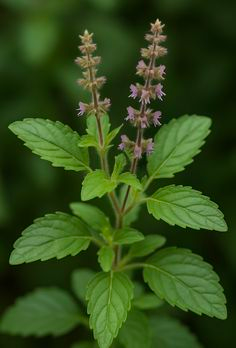
Quick answer: Tulsi care is simple. Give it full sun. Water when the top inch of soil feels dry. Use well-draining soil. Pinch off flower buds regularly to keep the plant bushy and productive. Tulsi grows easily from seed or cuttings and tolerates Kerala’s warm climate well, making it one of the easiest plants to keep thriving in a home garden.
Tulsi, also known as holy basil, holds a place in most Kerala households. It’s valued for its culinary uses, its role in traditional wellness practices, and its cultural and spiritual significance. It’s also simply an easy plant to grow, tolerant of a range of conditions and quick to establish from seed or cuttings.
This guide covers what Tulsi needs to thrive. It also covers pruning tips and the problems it occasionally runs into.
Sunlight Requirements
Tulsi needs full sun to grow at its best. Aim for at least 5 to 6 hours of direct sunlight daily. In shadier spots, the plant survives but grows more slowly. It also produces fewer of the small flower spikes that give it its familiar look.
A sunny spot near an entrance or courtyard suits Tulsi well. This is also where many Kerala households traditionally keep it, both for the light it receives there and for its accessibility for daily use.
Watering Tulsi
Tulsi likes consistent moisture but doesn’t tolerate waterlogged soil. Water when the top inch of soil feels dry to the touch. During Kerala’s summer, this might mean watering every day or two for potted plants. During monsoon, cut back significantly and rely on rainfall.
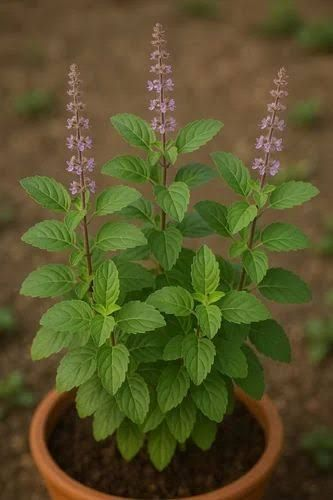
Good drainage matters as much as watering frequency. Tulsi roots sitting in constantly wet soil are prone to root rot, especially in containers without proper drainage holes. Our guide to Best Pots and Planters for Home Gardening covers container choices that suit Tulsi and other herbs well.
Soil and Feeding
Tulsi grows well in average, well-draining soil and isn’t particularly demanding about soil quality. Mix in a bit of compost at planting time to give it a good start.
Feed lightly every 4 to 6 weeks during the main growing season with a balanced fertilizer. Tulsi doesn’t need heavy feeding to stay productive. Over-fertilizing can also affect the intensity of its characteristic aroma.
Propagation
Tulsi grows easily from both seed and stem cuttings, making it simple to keep new plants coming.
From seed, sow directly into moist soil and keep the area consistently damp until germination, which typically takes 1 to 2 weeks. Thin seedlings once they’re a few centimeters tall to give each one room to grow.
From cuttings, take a healthy stem section with a few leaves, remove the lower leaves, and place it in water or directly into moist soil. Roots typically develop within 1 to 2 weeks. After that, the cutting can be treated as an established plant.
Pruning and Harvesting
Regular pinching and harvesting keeps Tulsi bushy and productive rather than tall and sparse. Pinch off growing tips regularly, especially while the plant is young, to encourage branching.
Tulsi flowers readily, and while the flowers aren’t harmful, letting the plant flower and go to seed repeatedly can shorten its productive lifespan and affect leaf flavor. Pinch off flower buds as they appear if you want to prioritize leaf production over flowering.
Harvest leaves regularly rather than all at once, taking a few from different parts of the plant. This keeps growth balanced and encourages the plant to keep producing fresh growth.
Common Problems
Tulsi is generally easy to grow, but a few issues come up occasionally.
- Yellowing leaves usually point to overwatering or poor drainage. Check the soil before assuming a nutrient issue.
- Leggy, sparse growth typically means the plant isn’t getting enough sunlight, or hasn’t been pinched back regularly enough. Address both before adding fertilizer.
- Aphids and whiteflies occasionally target new growth. A neem oil spray applied in the early morning or evening usually clears them up within a week or two.
- Root rot develops in waterlogged or poorly draining soil. Ease off watering and check drainage if the plant looks wilted despite moist soil.
Conclusion
Tulsi remains one of the easiest and most rewarding plants for a Kerala home garden. It’s easy to grow, quick to propagate, and genuinely useful whether for cooking, tea, or its place in daily household practice. Give it full sun, consistent watering, and regular pinching, and it will stay productive and healthy for a long time.
For more herbs and spices to grow alongside Tulsi, see our guide to Best Herbs and Spices for Kerala Gardens. You can also explore our Mint Care Guide for another easy, aromatic herb.