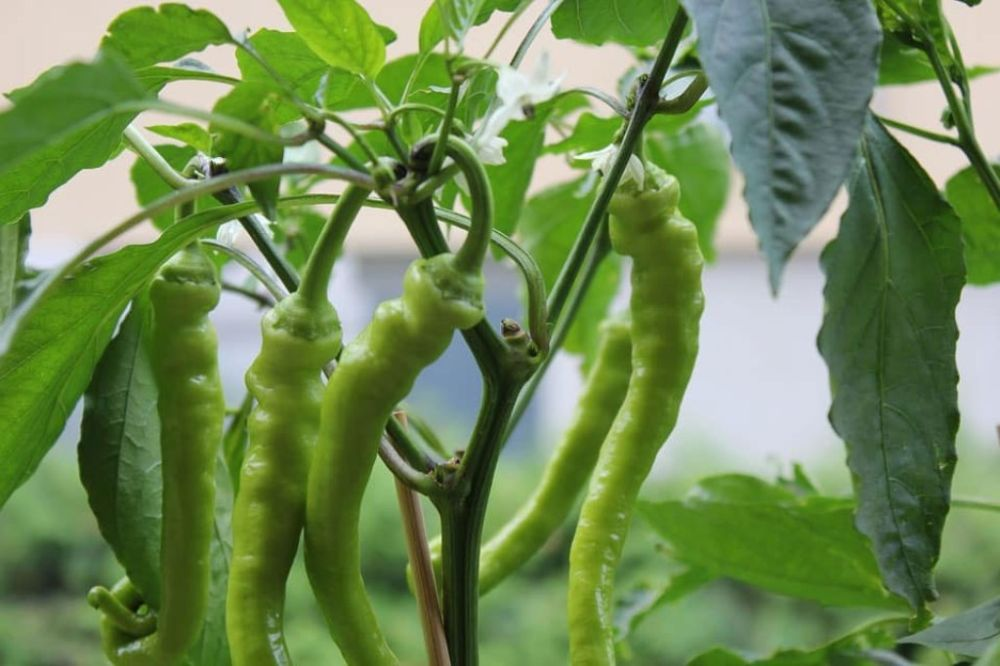
Quick answer: Growing chilli in Kerala works best when planted just after the heaviest monsoon rains ease, or during the drier early summer months. Give plants full sun, well-draining soil enriched with compost, and moderate but consistent watering. Chilli tolerates Kerala’s heat well. It typically produces its first harvest within 70 to 90 days of transplanting.
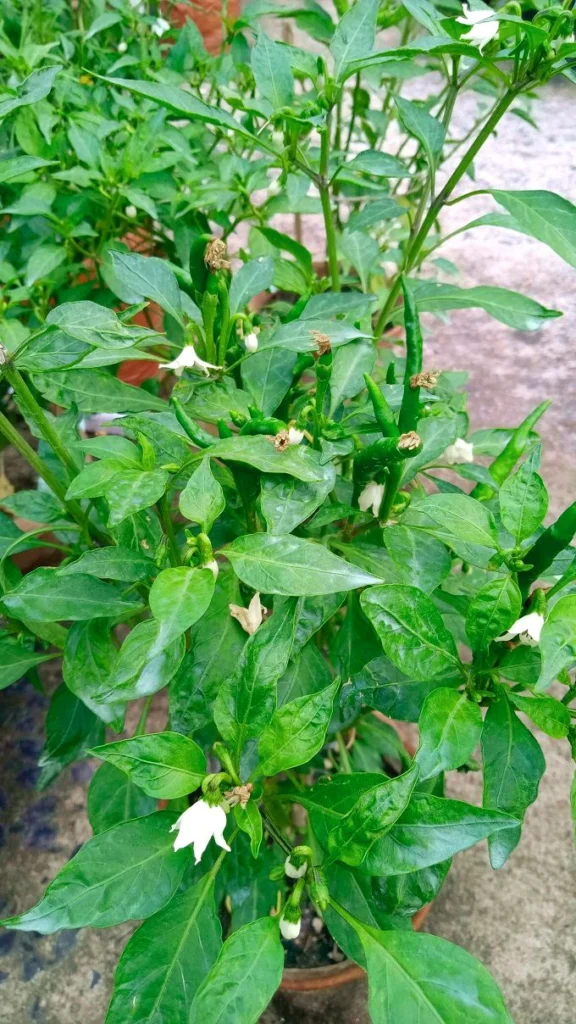
Chilli is a kitchen garden essential across Kerala, prized for the heat and flavor it brings to everyday cooking. Chilli plants are somewhat more forgiving of inconsistent watering than tomatoes. They also tolerate Kerala’s summer heat particularly well, though they still need careful timing around the monsoon.
This guide covers when to plant chilli and how to care for it through its growing cycle. It also covers the problems that show up most often in Kerala’s conditions.
When to Plant Chilli in Kerala
Chilli grows best when planted during a drier stretch of the year. The two reliable windows are right after the heaviest monsoon rains ease, typically September to October. The drier early summer months around January to February also work well.
Chilli seedlings are somewhat more resilient to occasional rain than tomato seedlings. Sustained waterlogging during peak monsoon still causes problems, though. If you’re growing in containers, monsoon planting becomes more manageable. You can move pots under cover during the heaviest spells.
Sunlight and Soil
Chilli needs full sun to produce well. Aim for at least 6 hours of direct sunlight daily. Plants in too much shade grow slowly and produce noticeably fewer, smaller fruits.
Well-draining soil matters just as much as sunlight. Mix garden soil with compost and a bit of sand if your soil tends to stay wet after rain. For containers, use a potting mix designed for vegetables rather than plain garden soil. Our guide to Best Pots and Planters for Home Gardening covers container choices suited to chilli and other vegetables.
Planting and Spacing
Starting from nursery seedlings gets you to harvest faster than starting from seed. Most Kerala nurseries carry a good range of chilli varieties. Space plants around 40 to 45 centimeters apart. This is close enough for efficient use of space but wide enough for good airflow.
Transplant seedlings in the early morning or evening rather than during peak heat, this reduces transplant shock. Water thoroughly right after planting to help the roots settle into their new soil.
Watering Chilli
Chilli tolerates some inconsistency in watering better than many vegetables, but steady moisture still produces the best results. Water when the top inch or two of soil feels dry, rather than on a fixed schedule.
During monsoon, cut back significantly and let rainfall do most of the work, checking drainage regularly. During summer, water more frequently, especially for container plants, since pots dry out faster than garden beds in direct heat. Very dry soil followed by a heavy watering can cause flower and young fruit drop. Aim for consistency over extremes.
Feeding for Better Yields
Work compost into the soil before planting to give young plants a strong start. Once flowering begins, feed every 2 to 3 weeks with a fertilizer that favors phosphorus and potassium over nitrogen. This supports fruiting rather than excess leaf growth.
Avoid over-fertilizing. Chilli plants that receive too much nitrogen often grow lush and green with disappointingly few fruits.
Common Problems
A handful of recurring issues account for most chilli problems in Kerala gardens.
- Flower drop without fruit forming often results from extreme temperature swings or inconsistent watering, rather than a pest or disease issue. Steadying the watering routine usually resolves it.
- Leaf curling can point to either aphid infestation or a viral infection spread by pests. Check the undersides of leaves for aphids first, since this is the more common and more treatable cause.
- Fungal leaf spots appear during prolonged wet, humid periods. Improve spacing and airflow, and remove affected leaves as soon as you spot them.
- Slow fruiting despite healthy growth usually means too much nitrogen relative to phosphorus and potassium. Adjust your feeding ratio rather than adding more fertilizer overall.
Conclusion
Growing chilli in Kerala rewards a bit of attention to timing and consistency. Plant during a drier stretch of the year. Give plants full sun and good drainage. Keep watering steady rather than letting it swing between extremes. Do this, and a few chilli plants can keep a household well supplied for months.
For more kitchen garden guidance, see our Vegetable Gardening in Kerala guide. You can also explore our Growing Tomatoes in Kerala guide for another kitchen garden staple that shares a similar growing cycle.