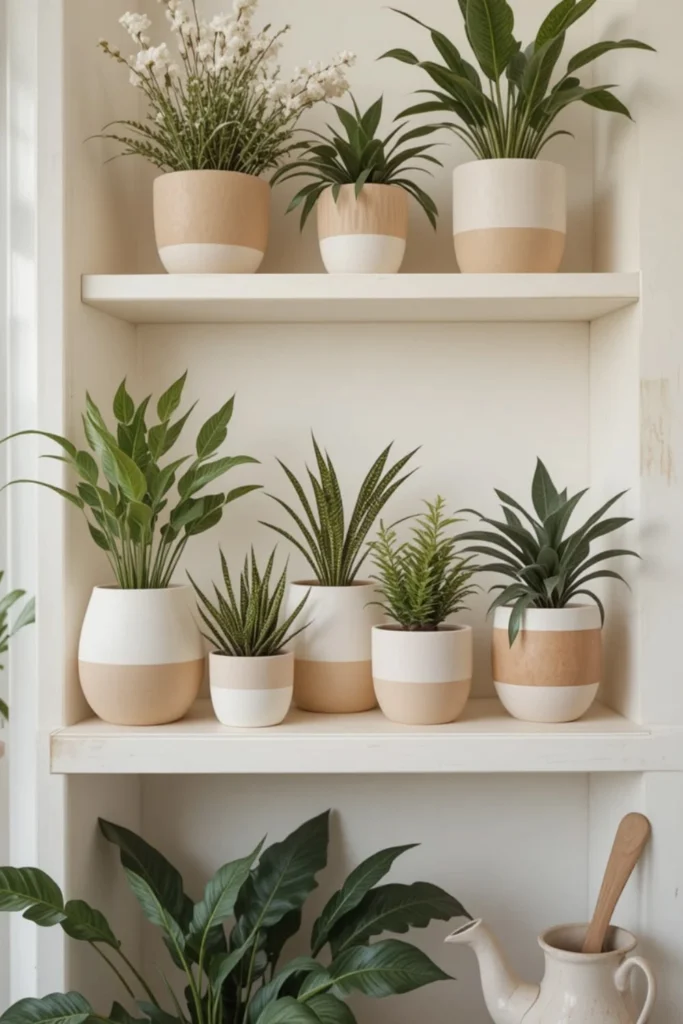
Quick answer: To choose the right pot for your plant, check four things in order. Check the plant’s mature root size. Check whether the material suits the plant’s water needs. Check whether the pot has drainage holes. Check whether it fits where you plan to place it. Getting these four right solves most pot-related plant problems before they start.
Choosing a pot often gets treated as an afterthought, something you decide after you’ve already bought the plant. But the pot is part of the plant’s growing environment, just as much as soil or sunlight. This guide walks through a simple process for how to choose the right pot for your plant, whether it’s a new purchase or one you’re repotting.
For a broader look at pot materials and types, our Best Pots and Planters for Home Gardening guide is a useful companion to this one.
Step 1: Check the Plant’s Mature Size
Start with the plant itself, not the pot. A small nursery plant can grow considerably larger, and choosing a pot based on its current size often means repotting again within months.
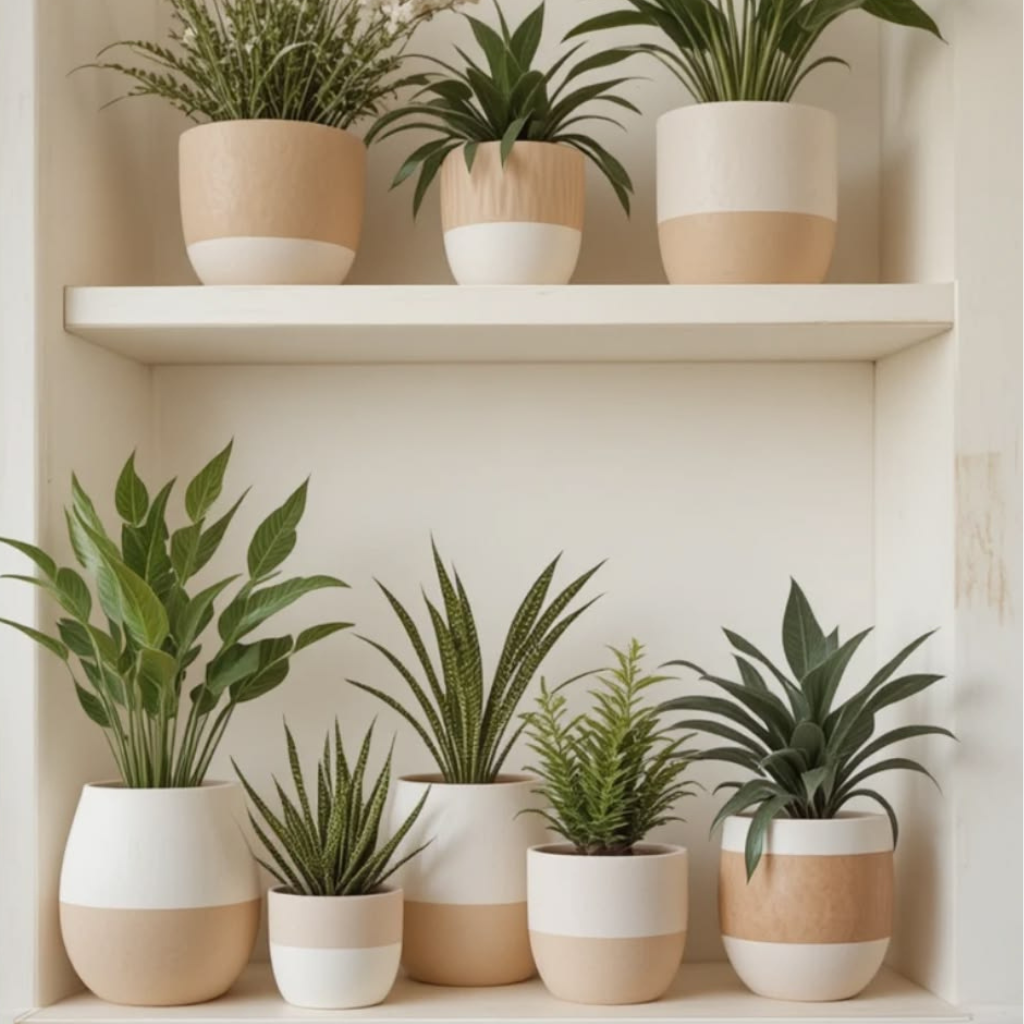
Look up the plant’s expected mature height and root spread if you’re not sure. As a simple rule, choose a pot roughly 2 to 4 centimeters wider than the plant’s current root ball. Repot gradually as it grows. Avoid jumping straight to a large pot for a small plant. Too much soil volume around a small root system holds excess moisture longer than the roots can use. This raises the risk of root rot.
Step 2: Match the Material to the Plant’s Water Needs
Different pot materials hold or release moisture at different rates, and this should guide your choice more than appearance alone.
Terracotta is porous and lets moisture evaporate through the walls. This suits plants that prefer to dry out between waterings, like Snake Plant or succulents. Plastic and glazed ceramic retain moisture longer. This suits plants that like consistently moist soil, like Peace Lily or Money Plant. Fiber and cement planters work well for tougher outdoor plants that need to withstand weather exposure over time.
If a plant tends toward overwatering problems, a more porous material like terracotta can help correct for that on its own.
Step 3: Confirm Drainage Holes Are Present
This step is non-negotiable, regardless of how a pot looks. A pot without drainage holes traps excess water around the roots. This is one of the most common reasons houseplants and container plants die.
If you’ve fallen for a decorative pot without drainage, don’t discard it. Use it as an outer sleeve, and keep the plant in a properly draining inner pot that sits inside it. This gets you the look you wanted without the risk.
Step 4: Consider Where the Pot Will Sit
The final check is placement. A pot that’s perfect for the plant but wrong for the location creates its own problems.
For balconies and terraces, consider weight. Large ceramic or cement pots add significant load. Lightweight plastic or fiber may be a better fit for upper floors. For outdoor spots exposed to wind, a heavier pot resists tipping better than a lightweight one. For indoor spaces, consider whether the pot needs a drainage tray to protect flooring. Also check whether its size fits the room without overwhelming it.
A Quick Decision Checklist for Choosing the Right Pot
Run through these questions before buying or repotting:
- What is the plant’s expected mature size?
- Does the pot material suit how often this plant needs water?
- Does the pot have drainage holes, or a way to add drainage?
- Is the pot’s weight and size suitable for where it will sit?
- Will this pot still fit the plant in a year, or will you need to size up soon?
If you can answer all five confidently, you’ve chosen the right pot.
Common Mistakes to Avoid
A few recurring mistakes account for most pot-related plant problems.
- Choosing based on appearance alone, without checking drainage or material fit for the plant.
- Sizing up too aggressively, putting a small plant in a pot several sizes too large.
- Ignoring placement conditions, like weight limits on a terrace or wind exposure outdoors.
- Assuming every plant needs the same pot type. A Snake Plant and a Peace Lily actually have very different needs.
Conclusion
Learning how to choose the right pot for your plant comes down to a short, repeatable process. Check the plant’s mature size, match the material to its water needs, confirm drainage, and consider where it will actually sit. Run through these four steps every time. You’ll avoid most of the common problems that come from an offhand pot choice.
For a deeper look at container types and sizing, see our guide to Best Pots and Planters for Home Gardening. You can also explore Container Gardening in Kerala for tips on what to grow and how to place your containers.