Quick answer: Moringa care is straightforward once the tree is established. Give it full sun. Water regularly while young, then reduce watering once roots are established, since mature Moringa tolerates dry spells well. Prune regularly to keep it at a manageable height. Get these basics right, and Moringa rewards you with fast growth and a steady supply of nutritious leaves and pods
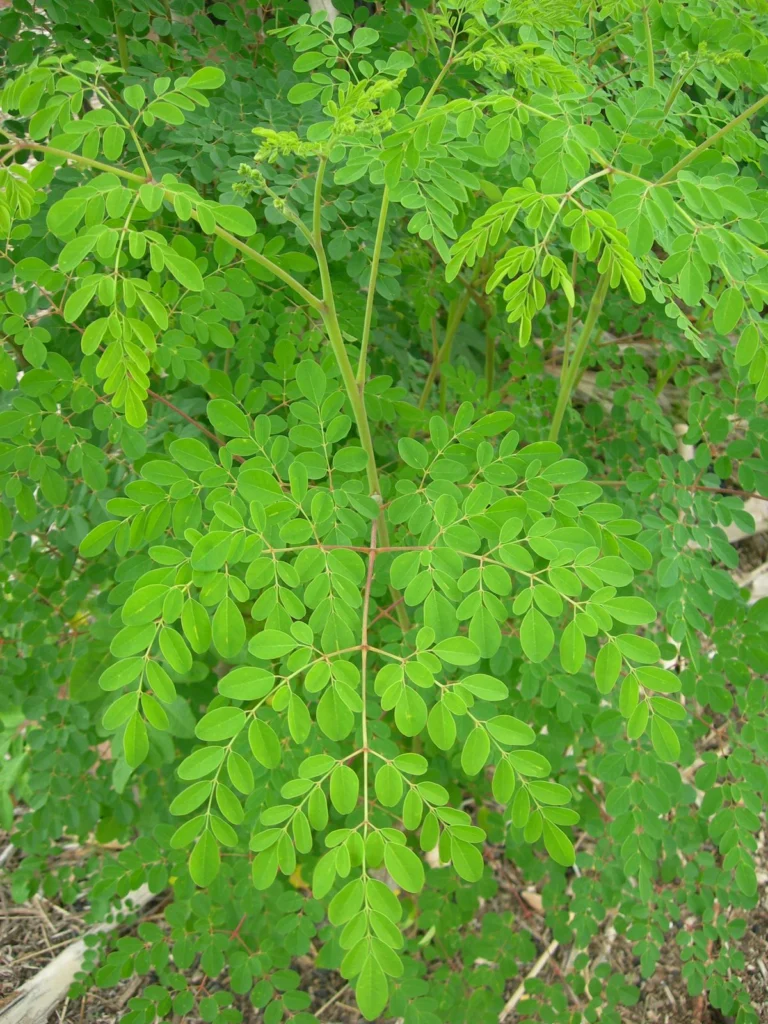
Moringa, sometimes called the drumstick tree, is a Kerala home garden staple. It’s valued for both its edible leaves and long, slender pods. It grows remarkably fast, tolerates poor soil better than most trees, and needs surprisingly little care once established.
This guide covers what Moringa needs to thrive, along with pruning tips and the problems it occasionally runs into.
Sunlight Requirements
Moringa needs full sun to grow well. Aim for at least 6 hours of direct sunlight daily. In shade, growth slows considerably, and the tree produces far fewer leaves and pods.
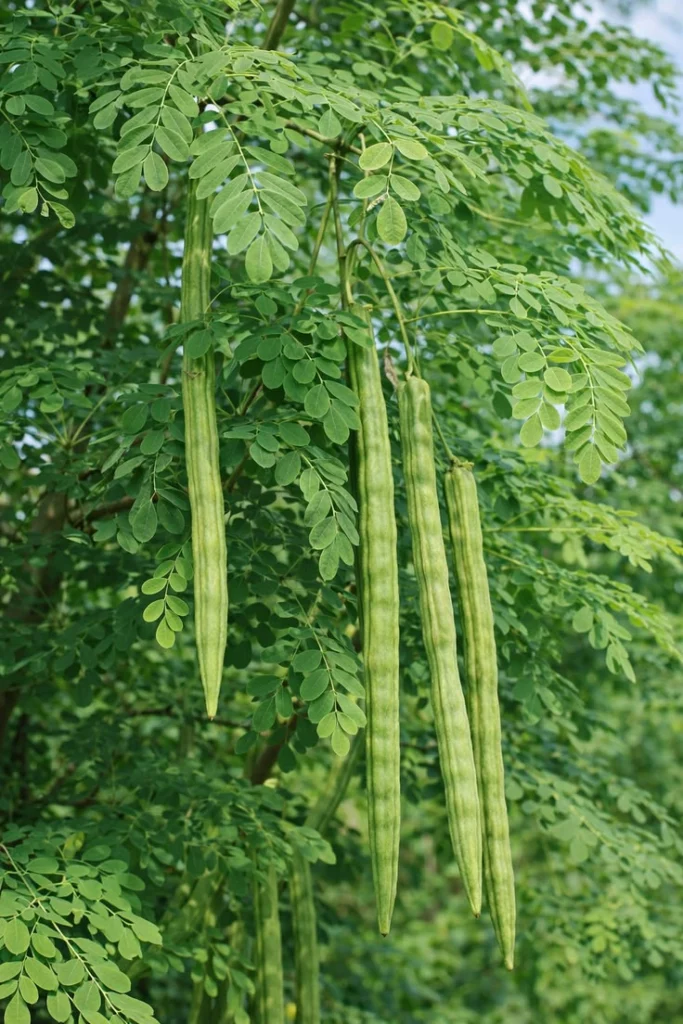
Choose a spot with plenty of room to grow, since Moringa can reach several meters in height if left unpruned. If space is limited, regular pruning keeps it manageable without affecting its productivity.
Watering Moringa
Young Moringa plants need consistent watering while their root systems establish. Water every few days for the first several months, checking that the soil doesn’t stay waterlogged between waterings.
Once established, usually after the first year, Moringa becomes quite drought-tolerant. Mature trees can go extended periods with minimal watering, drawing on their deep root systems instead. During Kerala’s monsoon, established Moringa needs little to no supplemental watering. During summer, occasional deep watering helps keep leaf production steady, though the tree will survive even without it.
Good drainage matters throughout the plant’s life. Moringa roots are sensitive to prolonged waterlogging, so avoid planting it in low-lying areas where water collects. Our guide to Best Outdoor Plants for Kerala Gardens covers other plants that share similar drainage needs.
Soil and Feeding
Moringa isn’t particular about soil quality and tolerates poor, sandy, or rocky soil better than most food-producing plants. That said, it still grows faster and produces more in soil enriched with compost or organic matter.
Feeding needs are minimal. Working compost into the soil around the base once or twice a year is usually enough. Avoid over-fertilizing, since excess nitrogen tends to push leafy growth at the expense of pod production.
Pruning for Manageable Growth
Pruning is essential for Moringa, both for controlling its height and for encouraging fuller, more productive growth. Left unpruned, it grows quickly into a tall, sparse tree that’s difficult to harvest from.
Prune young plants at around waist height to encourage branching lower down, rather than a single tall trunk. Once branching begins, continue pruning back new growth periodically to maintain a manageable height and a bushier shape.
Prune after the main harvest season, cutting back branches by about a third. This encourages fresh growth and typically results in a fuller flush of leaves and pods in the next cycle.
Common Problems
Moringa is generally low-maintenance, but a few issues show up occasionally.
- Yellowing leaves on an otherwise healthy tree often point to overwatering or poor drainage, particularly in young plants. Established trees rarely show this unless waterlogged for extended periods.
- Slow growth in young plants usually means insufficient sunlight or inconsistent watering during the establishment phase. Check both before assuming a soil problem.
- Aphids occasionally target new growth and flower clusters. A neem oil spray in the early morning or evening usually clears them up within a week or two.
- Excessive height with few pods typically results from insufficient pruning. A tree left to grow unchecked puts energy into height rather than branching and pod production.
Conclusion
Moringa remains one of the most rewarding trees for a Kerala home garden. It’s fast-growing, low-maintenance once established, and genuinely useful in the kitchen. Give it full sun, consistent watering while young, and regular pruning as it matures. It will provide a steady supply of leaves and pods with very little ongoing effort.
For more outdoor plants suited to Kerala’s climate, see our guide to Best Outdoor Plants for Kerala Gardens. You can also explore our Curry Leaf Care Guide for another Kerala kitchen garden essential.