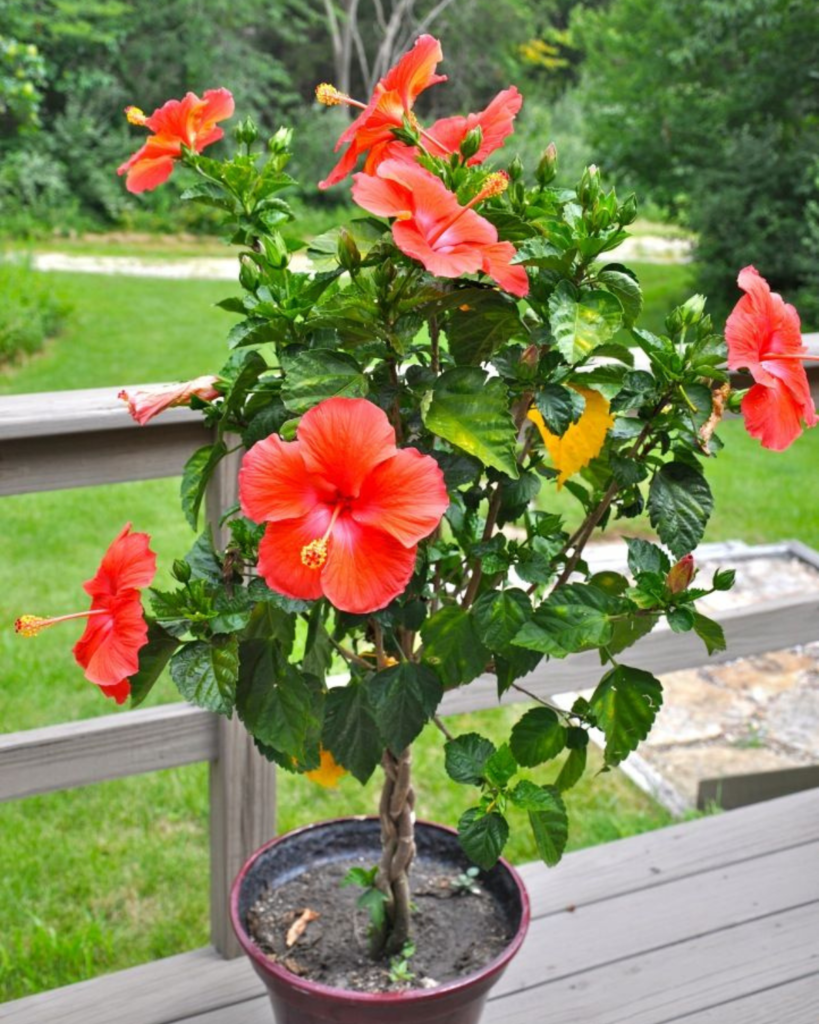
Quick answer: Hibiscus care is simple with the right basics. Give it at least 4 to 6 hours of direct sunlight. Water regularly, but let the top layer of soil dry out between waterings. Prune lightly after each flowering cycle. Do this, and Hibiscus rewards you with near-continuous blooms through most of the year in Kerala’s climate.
Hibiscus, known locally as Chembarathi, is one of Kerala’s most recognizable flowering shrubs. You’ll find it in home gardens, temple courtyards, and roadside hedges across the state. It’s valued for its bold, showy flowers and its long blooming season. It also holds cultural significance in many Kerala households.
This guide covers what Hibiscus needs to thrive. It also covers the pruning habits that keep it flowering well and the problems it occasionally runs into.
Sunlight Requirements
Hibiscus needs full sun to bloom well. Aim for at least 4 to 6 hours of direct sunlight daily. In deep shade, the plant may still survive, but it produces far fewer flowers. It also tends to grow leggy, stretching toward whatever light it can find.
If you’re growing Hibiscus in a pot on a balcony or terrace, place it in the sunniest spot available. A plant that isn’t flowering as expected is often simply not getting enough direct light. Check this before assuming a soil or feeding problem.
Watering Hibiscus
Hibiscus likes consistent moisture, but not waterlogged soil. Water when the top inch or two of soil feels dry to the touch. In Kerala’s summer heat, this might mean watering every day or two, especially for potted plants. During monsoon, cut back significantly and let rainfall do most of the work.
Good drainage matters just as much as watering frequency. Hibiscus roots sitting in constantly wet soil are prone to root rot, particularly in containers without adequate drainage holes. Our guide to Best Pots and Planters for Home Gardening covers good material and size choices for flowering shrubs.
Soil and Feeding
Hibiscus prefers a rich, well-draining soil with plenty of organic matter. Mix compost or well-rotted manure into the planting area or potting mix to give it a strong start.
For feeding, use a fertilizer with more phosphorus and potassium relative to nitrogen. This combination supports blooming rather than just leafy growth. Feed every 2 to 3 weeks during the main growing season. Reduce or pause feeding during the heaviest monsoon months, when the plant’s growth naturally slows.
Pruning for More Blooms
Pruning is one of the most important habits for keeping Hibiscus flowering well. Without it, the plant tends to grow tall and woody, putting energy into stems rather than buds.
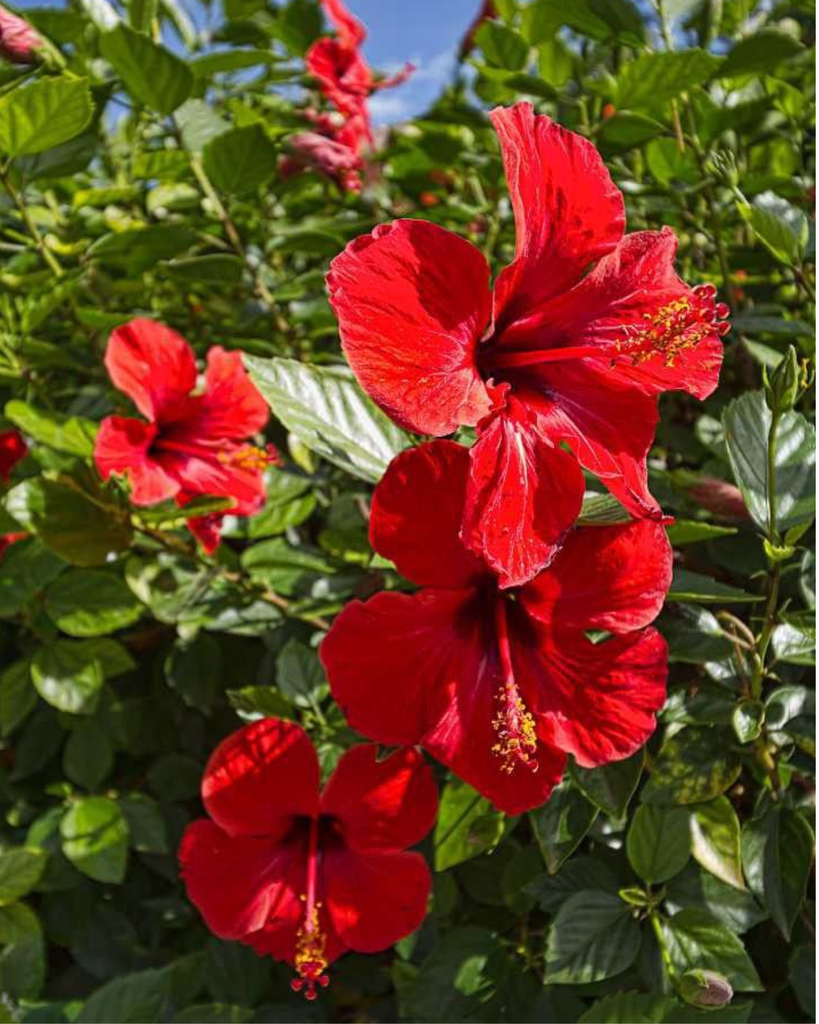
Prune lightly after each flowering cycle. Cut back leggy or overgrown stems by about a third, always cutting just above a leaf node. This encourages branching, and more branches generally mean more flowers. Avoid heavy pruning during an active bloom period, since it removes buds before they even get a chance to open.
For hedges, occasional shaping keeps the growth dense and full rather than sparse and top-heavy. A hedge trimmed a couple of times a year usually holds its shape well between sessions.
Common Problems
Hibiscus is generally easy to grow, but a few issues come up often enough to know in advance.
- Yellowing leaves and leaf drop usually point to overwatering or a sudden change in conditions, like a recent move. Check drainage first before assuming a nutrient problem.
- Bud drop, where flower buds fall before opening, often results from inconsistent watering or sudden temperature swings. Keep watering steady and avoid relocating the plant during bud formation.
- Aphids commonly target new growth and flower buds specifically. A neem oil spray applied in the early morning or evening usually clears them up within a week or two.
- Reduced flowering almost always traces back to insufficient sunlight or a lack of regular pruning. Address both before reaching for extra fertilizer.
Conclusion
Hibiscus remains one of Kerala’s most rewarding flowering plants once you get the basics right. Give it full sun, consistent but well-drained watering, and a regular pruning routine. It will flower reliably for most of the year with relatively little fuss.
For more flowering options to grow alongside Hibiscus, see our guide to Best Flowering Plants for Kerala. You can also explore our [Jasmine Care Guide] for another Kerala household favorite.