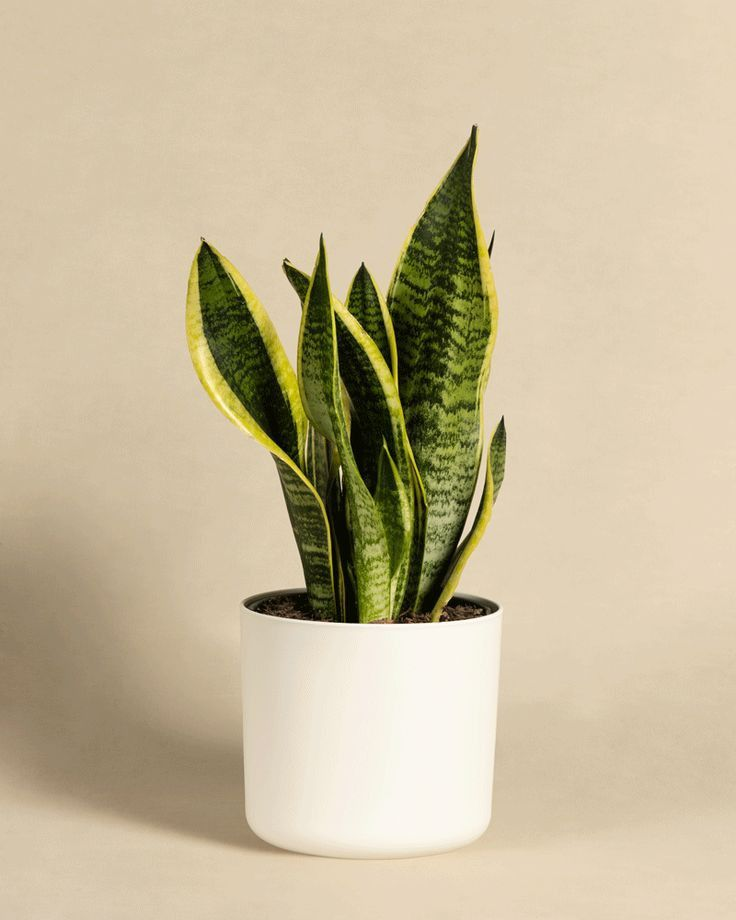
Quick answer: Snake Plant care is simple: give it bright to low indirect light, water only when the soil is fully dry, usually every 2 to 3 weeks, and use a well-draining potting mix. It tolerates neglect well, making it one of the easiest indoor plants to grow in Kerala homes.
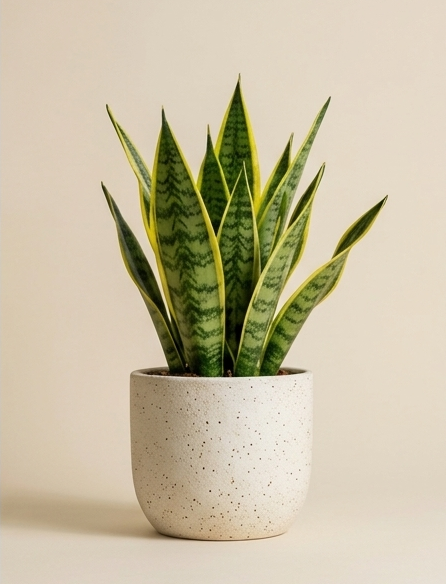
Snake Plant, botanically known as Sansevieria (recently reclassified as Dracaena trifasciata), is one of the most forgiving indoor plants you can grow. Its upright, sword-shaped leaves add a clean, architectural look to any room, and it asks for very little in return. For Kerala homeowners new to indoor gardening, it’s often the first plant that actually survives.
This guide covers everything needed to keep a Snake Plant healthy, from light and watering to propagation and the few problems it does occasionally run into.
Light Requirements
Snake Plant adapts to a wider range of light conditions than almost any other common houseplant. It grows well in bright, indirect light near a window, but it also tolerates low-light corners and rooms with only filtered natural light, conditions that would stress most other indoor plants.
The one thing to avoid is prolonged direct, harsh sunlight, which can scorch the leaves, especially through a west-facing window in the afternoon. If your Snake Plant is growing slowly or its color looks dull, moving it to a slightly brighter spot usually helps. If the leaves show pale or bleached patches, it’s likely getting more direct sun than it can handle.
Watering Snake Plant
Overwatering is the single most common way Snake Plant dies, and it’s an easy mistake to make with a plant that looks like it might need frequent watering but actually needs the opposite.
Water only when the soil has dried out completely, which in Kerala’s warm, humid climate is typically every 2 to 3 weeks, sometimes longer during monsoon when ambient humidity is higher. Insert a finger a couple of inches into the soil before watering, if it’s still even slightly damp, wait longer. When you do water, water thoroughly until it drains from the bottom of the pot, then let the soil dry out fully before the next watering.
Signs of overwatering include soft, mushy leaves, a base that feels squishy, and yellowing that starts from the bottom of the plant upward. If you notice these, ease off watering immediately and check the roots for rot.
Soil and Potting
Snake Plant needs soil that drains quickly and doesn’t hold excess moisture around the roots. A cactus or succulent potting mix works well, or you can create a similar blend by mixing regular potting soil with coarse sand or perlite.
Choose a pot with drainage holes without exception, this matters even more for Snake Plant than for most indoor plants, given how sensitive it is to sitting in wet soil. Terracotta pots are a particularly good match, since the porous material helps excess moisture evaporate rather than lingering in the soil. Our guide to Best Pots and Planters for Home Gardening covers sizing and material choices in more detail.
Repotting is rarely urgent. Snake Plant actually grows well when slightly rootbound, so plan to repot only every 2 to 3 years, or once you notice roots emerging from the drainage holes or pushing the plant up out of the soil.
Propagation
Snake Plant is easy to propagate, making it simple to fill more pots from a single healthy plant.
Division is the fastest method. Remove the plant from its pot, and separate the rhizome-connected clumps at the base into smaller sections, each with a few leaves and some root attached. Pot each section separately in fresh, well-draining soil.
Leaf cuttings also work, though more slowly. Cut a healthy leaf into 5 to 7 centimeter sections, let the cut ends callus over for a day or two, then plant them upright in soil or place them in water until roots develop. Note that leaf cuttings from variegated Snake Plant varieties often lose their yellow edge and grow as solid green, since the variegation isn’t always passed on through this method.
Common Problems
Snake Plant runs into fewer problems than most houseplants, but a handful are worth knowing.
- Root rot from overwatering is by far the most common issue. Reduce watering frequency and improve drainage at the first sign of soft, mushy growth.
- Wrinkled or curling leaves usually indicate underwatering, though this is far less common than overwatering. Water thoroughly and the leaves typically plump back up within days.
- Mealybugs, small white, cotton-like insects, occasionally appear at the base of leaves. Wipe them away with a cotton swab dipped in diluted neem oil.
- Brown leaf tips can result from low humidity, inconsistent watering, or a buildup of minerals in tap water over time. Occasional watering with filtered or rainwater can help if this becomes persistent.
Conclusion
Snake Plant remains one of the best starting points for anyone new to indoor gardening in Kerala, tolerant of low light, infrequent watering, and the occasional missed care routine. Get the watering right, in Snake Plant’s case, less really is more, and it will reward you with years of low-maintenance greenery.
For more low-maintenance options that pair well with Snake Plant, see our guide to Best Indoor Plants for Kerala Homes, or our detailed care guide for another easy indoor favorite, the ZZ Plant.