Quick answer: Crossandra care is simple. Give it partial shade to full sun. Water when the top inch of soil feels dry. Use well-draining soil enriched with compost. Deadhead spent flowers to encourage more blooms. Crossandra tolerates shadier spots better than most flowering plants. This makes it a useful border or bed choice for less sunny corners of a Kerala garden.
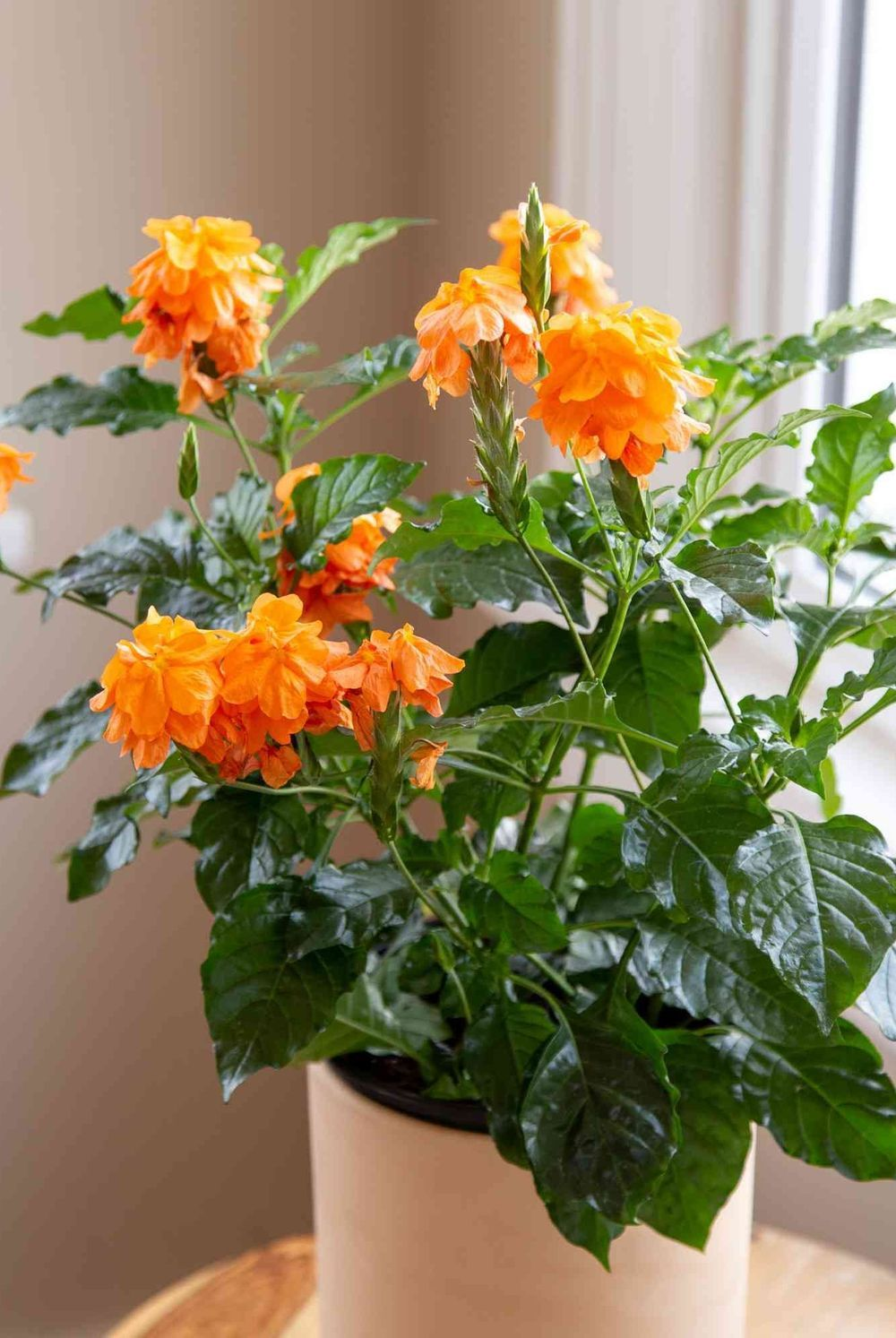
Crossandra stands out among Kerala’s flowering plants for one particular strength: it handles partial shade better than almost anything else on this list. Its upright spikes of orange, yellow, or salmon flowers bring color to shaded spots. This makes it a favorite for shaded borders, courtyards, and garden edges where full-sun bloomers would struggle.
This guide covers what Crossandra needs to thrive. It also covers deadheading tips and the problems it occasionally runs into.
Sunlight Requirements
Crossandra tolerates partial shade better than most flowering plants. It still flowers best with a few hours of direct or bright indirect light daily, though. In full sun, it grows well too, provided watering keeps pace with the extra heat.
This flexibility makes Crossandra a useful choice for spots that get filtered light through taller plants or partial cover from a building. Many flowering plants produce few or no blooms in these conditions.
Watering Crossandra
Crossandra likes consistent moisture but doesn’t tolerate waterlogged soil. Water when the top inch of soil feels dry to the touch. During Kerala’s summer, this might mean watering every day or two for potted plants. During monsoon, cut back significantly and rely on rainfall.
Good drainage matters as much as watering frequency. This is particularly true in border or bed plantings where several Crossandra plants sit close together. Our guide to Best Pots and Planters for Home Gardening covers container choices if you’re growing Crossandra in pots.
Soil and Feeding
Crossandra prefers well-draining soil enriched with organic matter. Mix compost into the planting area or potting mix to give it a strong start.
Feed every 4 to 6 weeks during the main growing season with a fertilizer that supports flowering. Choose one with more phosphorus and potassium relative to nitrogen. Reduce feeding during the heaviest monsoon months, when growth naturally slows.
Deadheading and Pruning
Regular deadheading, removing spent flower spikes before they fade completely, keeps Crossandra blooming more continuously. Snip off faded flower spikes just above a set of leaves as soon as you notice them fading.
Light pruning after a bloom cycle also helps. Cut back any leggy or overgrown stems by about a quarter. This encourages bushier growth and more flowering points for the next cycle. Avoid heavy pruning during active flowering, since it removes buds before they open.
Using Crossandra in Your Garden
Crossandra works particularly well as a border plant, thanks to its compact size and shade tolerance. It pairs well with sun-loving border plants like Marigold or Dwarf Ixora in a mixed bed. It fills in shadier stretches where those plants would struggle. See our guide to Best Border Plants for Kerala Gardens for more on planning a mixed border planting.
It also works well in containers on a shaded balcony or courtyard. Many other flowering plants fail to bloom well in these spots.
Common Problems
Crossandra is generally easy to grow, but a few issues come up occasionally.
- Reduced flowering most often points to very deep shade or a lack of regular deadheading. Even shade-tolerant Crossandra needs some light to bloom well.
- Yellowing leaves can signal overwatering or poor drainage. Check the soil before assuming a nutrient problem.
- Aphids sometimes target new growth and flower spikes. A neem oil spray applied in the early morning or evening usually clears them up within a week or two.
- Leggy growth typically means the plant hasn’t been pruned in a while. It may also be stretching toward a distant light source. A round of light pruning usually restores fuller growth.
Conclusion
Crossandra fills a genuine gap in Kerala gardens: reliable color for spots too shaded for most other flowering plants. Give it partial shade to full sun, consistent watering, and regular deadheading. It will bloom steadily in corners where other flowering plants often disappoint.
For more flowering plants to pair with Crossandra, see our guide to Best Flowering Plants for Kerala. For ideas on using it in a mixed border, explore Best Border Plants for Kerala Gardens too.